
Oh, you guys! If your weeknight dinners feel a little… *blah*, then I have the secret weapon you need sitting right on your counter. Korean flavors are just magic, aren’t they? That deep, spicy, savory complexity can wake up almost anything boring! That’s why I’m sharing My Favorite Gochujang Sauce today. Seriously, this recipe takes less than five minutes, but it brings mountains of flavor to tacos, rice bowls, or even just plain steamed broccoli.
I’ve spent years fiddling with ratios for this chili paste, trying to nail that perfect sweet-salty-spicy balance, and trust me, this version beats anything I’ve bought in a jar. It’s bright, it’s easy, and once you have it, you won’t go back. Forget complicated marinades; we are making instant flavor boosters here!

Why You Need My Favorite Gochujang Sauce in Your Kitchen
Look, I’m all about convenience when it comes to flavor, and this sauce is the definition of high impact, low effort. Having a jar of this ready to go changes my entire cooking rhythm during the busy week. You really need this recipe on hand! It’s shockingly good.
- It whips up fast—seriously, faster than boiling water for pasta.
- It develops that incredible fermented depth Gochujang is famous for, minus the wait.
- It keeps things exciting when you’re tired of the same old weeknight routine.
- It punches up anything bland instantly.
Speed and Convenience
We are talking five minutes, tops. That’s less time than it takes to chop a single onion, honestly. This isn’t a sauce you need to simmer or reduce; it’s just a quick whisk, and BAM! Dinner rescue achieved. It’s perfect for when you realize at 6 PM that you have zero plans for flavor tonight.
Versatility of My Favorite Gochujang Sauce
This is where the magic truly happens. If you make My Favorite Gochujang Sauce, you have conquered half the battle for every meal! I use it everywhere. It’s unbelievable as a dipping sauce for dumplings or fried chicken. I brush it on steaks or tofu right before they finish cooking to get a sticky glaze. And wow, try thinning it out slightly and tossing it with some leftover rice—instant Bibimbap vibes.
Ingredient Breakdown for My Favorite Gochujang Sauce
Okay, you can’t hide from quality when you’re only using seven ingredients, right? That’s why what you put into this sauce matters a whole lot. I try to keep everything measured out precisely because we’re dealing with intense flavors here. Making your own sauce is great, but using the best paste you can find is key; it’s the foundation of everything!
Speaking of quality, if you happen to be out of ketchup and need a quick fix, I’ve got you covered, but for this, we need the real deal. Have you checked out my guide on making homemade ketchup? Ketchup is simple, but Gochujang is complex, like a little fermented treasure!
Key Components of My Favorite Gochujang Sauce
You’ll need to pull out your tiny measuring spoons for this one. Precision lets the flavors marry properly so you get that rich, amazing taste from My Favorite Gochujang Sauce.
- Three tablespoons of Gochujang—don’t skimp here!
- One tablespoon of soy sauce for depth.
- One tablespoon of rice vinegar to cut the richness.
- A tablespoon of honey or maple syrup—your choice for sweetness.
- One teaspoon of sesame oil; this gives us that beautiful nutty aroma.
- One clove of garlic, absolutely minced until it’s practically dust.
- One teaspoon of fresh ginger, and you have to grate it finely!
Ingredient Notes and Substitutions
The honey or maple syrup is completely interchangeable depending on what you have, or if you’re keeping it strictly vegan. Maple syrup gives a slightly deeper background note, which I personally love!
Now, the sesame oil—don’t ditch it! It doesn’t add much moisture, but that nutty, toasted flavor is non-negotiable. It rounds out the spicy heat from the paste and brings all the savory elements together so nicely. It’s just a tiny bit, but it does heavy lifting for the overall profile.
Step-by-Step Instructions for My Favorite Gochujang Sauce
Honestly, if you can stir a bowl, you can nail this sauce. It’s ridiculously straightforward. The most important thing here is making sure everything gets totally unified. You don’t want pockets of pure honey floating around next to blobs of chili paste, right? We are aiming for smooth, glossy perfection!
I always measure everything out first—mise en place, even for 5-minute sauces! It just prevents that awkward moment where you realize you forgot the rice vinegar while whisking frantically. This section shows you exactly how I bring these humble ingredients together.
Mixing My Favorite Gochujang Sauce
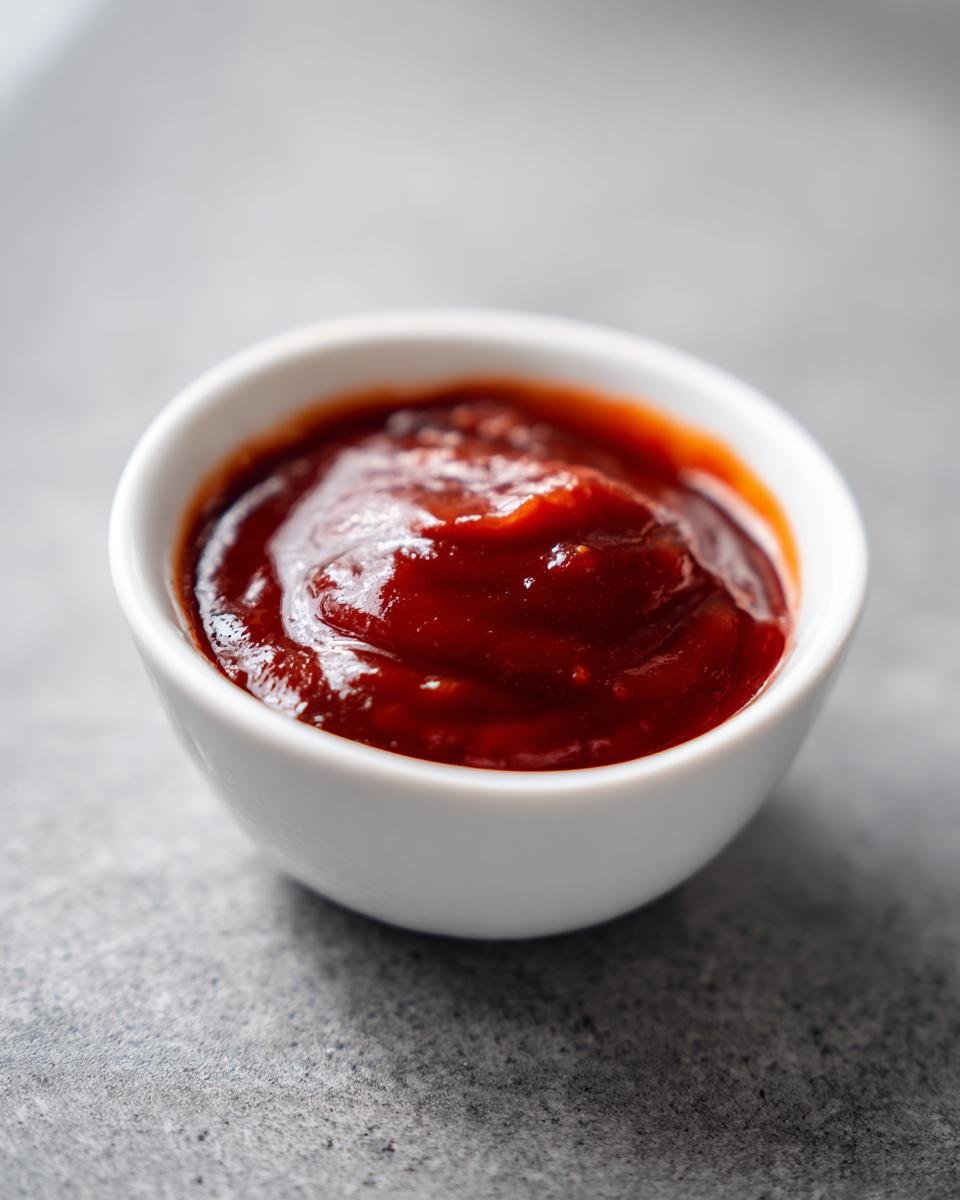
First up, dump everything into your smallest, prettiest mixing bowl. I mean the Gochujang, the soy sauce, the vinegar, the honey, the sesame oil, the garlic, and the grated ginger—all of it! Now, grab a small whisk, or even just a sturdy fork if you’re feeling lazy, and get to work. You need to whisk this mixture until it’s beautifully smooth and totally uniform. Don’t stop as soon as the big clumps disappear. Keep going until you don’t see any streaks of one ingredient separate from the others. That’s when you know you’ve got the real flavor powerhouse that My Favorite Gochujang Sauce should be.
Final Adjustments and Tasting
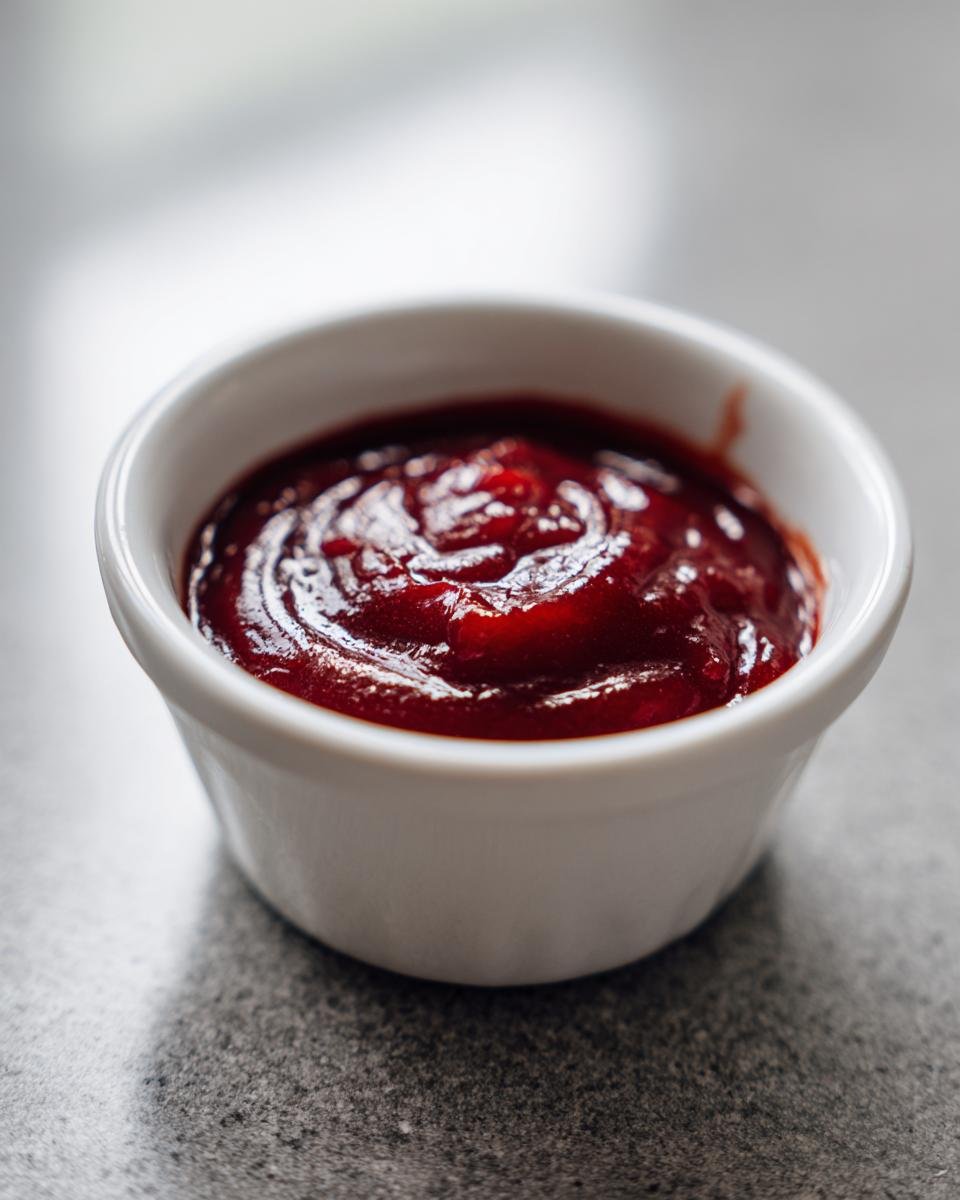
This step is critical because every jar of Gochujang is a little different. Some brands are saltier, some are sweeter, so you absolutely have to taste it now. Dip a clean spoon in—don’t double-dip if you plan on storing leftovers—and see where you stand. If it tastes flat, maybe you need another tiny dash of soy for salt or a tiny drizzle more sweetness. If it’s too thick for your liking, thin it out with a teaspoon of water. It’s your sauce!
Expert Tips for Perfecting My Favorite Gochujang Sauce
I feel like once you’ve got a foolproof base, you can start tinkering, right? That’s what separates a good recipe from *your* recipe. I learned these little cheats from making way too much of this sauce over the years. Don’t feel like you have to stick to the script if your palate needs something different. These little tweaks help elevate the flavor profile right out of the bowl!
If you’re looking to make something hearty later, this sauce works great as a marinade for chicken wings or thin-sliced pork before you roast them up. Speaking of soups, if you ever need a quick noodle soup base, just thin out some of this sauce with hot broth—it’s incredible! I’ve often used similar flavor profiles when I make my homemade wonton soup, but for this sauce, we are keeping it focused on pure dipping power!
Here are the things I always do to ensure My Favorite Gochujang Sauce is absolutely killer every time:
First, let’s talk heat. The recipe is balanced, but sometimes you’re craving that extra kick—maybe your Gochujang paste was mild, or maybe you just need more fire! This is the perfect time to mix in a little bit of Gochugaru, which is Korean chili flakes. Start with half a teaspoon; you can always add more, but you can’t take it out! It adds a smoky depth that powdered cayenne just can’t touch.
My absolute, must-do trick—and this comes from pure experimentation—is the mandatory rest period. After you whisk everything together, cover the bowl tightly and just let it sit on the counter for about ten minutes before you taste it again for final adjustments. The fresh garlic and ginger need a tiny minute to mingle and release their oils into the honey and vinegar. That short wait makes the sauce taste richer, deeper, and far more integrated than if you taste it straight away. It’s like letting the spices fully wake up!
Finally, pay attention to your Gochujang color. A deeper, darker red usually means a longer fermentation time and often a richer, more complex flavor. If yours looks paler, you might need to lean a little heavier on the soy sauce to bring that savory punch forward when you taste-test!
How to Use My Favorite Gochujang Sauce
Okay, now that we have this amazing, ready-to-go flavor bomb, what are we actually doing with it? This sauce is my culinary Swiss Army knife! It’s so perfectly balanced that it works whether you’re trying to add a punch to a major dish or just jazz up leftovers hiding in the fridge.
My personal favorite way to use it is straight up drizzled over roasted root vegetables. If you’ve made my air fryer baked potatoes, you just take a spoonful of this sauce and swirl it over the top—it’s instant flavor elevation. It cuts through the starchiness so beautifully!
It’s also fantastic for those nights when you’re making plain rice and a quick protein. Just mix a tablespoon or two of the sauce right into your warm rice bowl—it coats every grain with flavor and gives you that savory kick that tastes like you spent way more time cooking than you actually did!
Try it as a glaze on grilled chicken thighs in the last five minutes of cooking (watch carefully so it doesn’t burn, since we have that honey!). Or, use it as a thinner dipping sauce for crispy tofu. It truly goes on everything, so don’t be afraid to experiment!
Storage and Shelf Life of My Favorite Gochujang Sauce
So, you made a whole batch of My Favorite Gochujang Sauce, which is great because you’ll definitely want leftovers. Don’t leave this spicy goodness sitting out on the counter, though! Since this is a fresh mixture with garlic and vinegar, we want to keep it safe and tasting pristine.
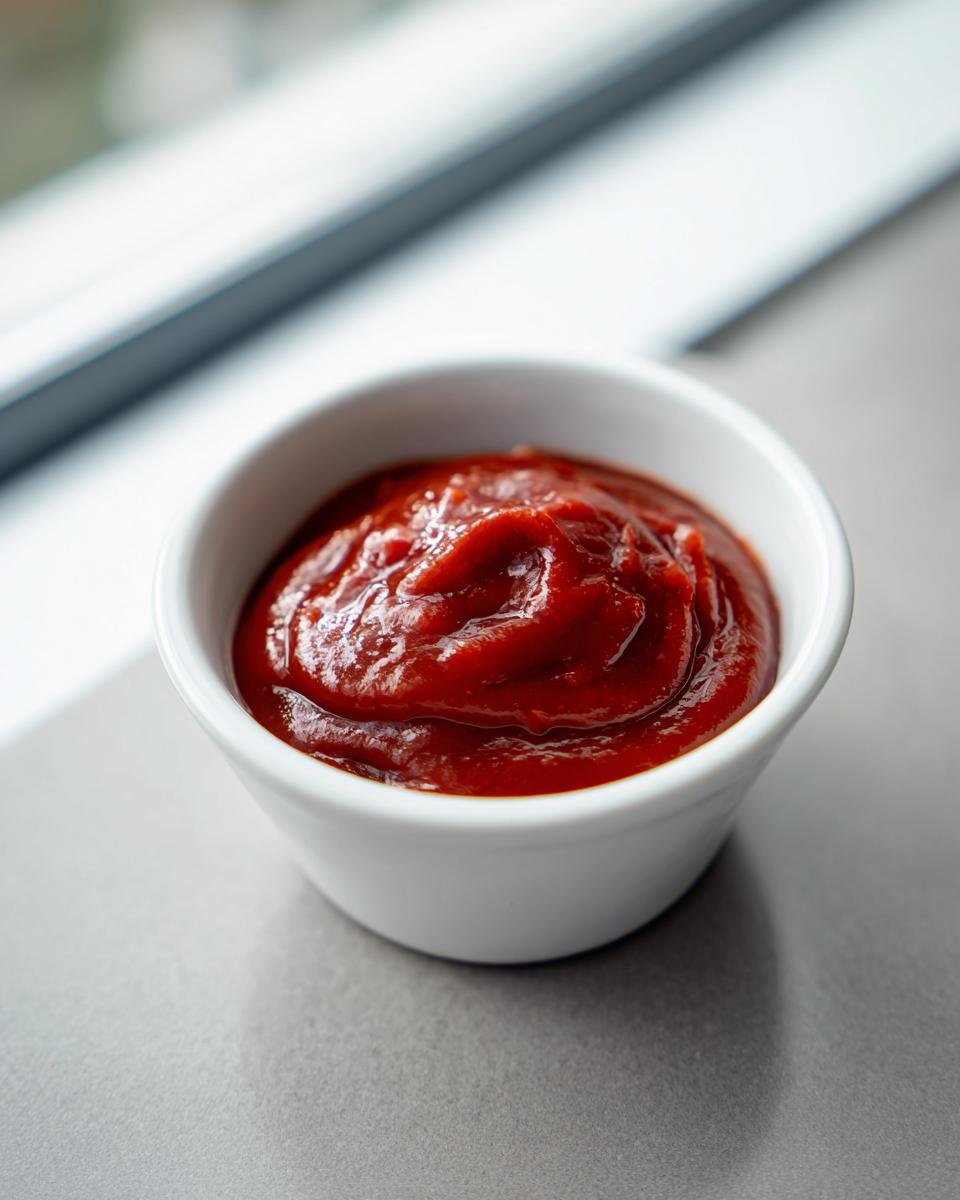
The best way to store any extras is in an airtight container. I prefer small glass jars because they look nice in the fridge door, and clean-up is a breeze. Just pop the lid on tight and tuck it away. The sugar and salt help preserve it a little, but proper sealing is what keeps that fresh, pungent flavor locked in.
Now, how long does it last? Because we use fresh garlic, I tend to give it about a week and a half. If you are really strict with your fridge cleanliness, you can probably push it to two weeks, easily. It might darken a tiny bit over time, but as long as it smells bright and spicy, it’s good to use. If you see any fuzz or smell anything off, ditch it—but honestly, this stuff is so good, I’ve never had a batch last past ten days!
Frequently Asked Questions About Gochujang Sauce
I get tons of questions whenever I post something with Gochujang, which makes sense! It’s an ingredient that seems intimidating, but once you know the easy formulas like the one we just covered, you’ll be using it constantly. Here are some of the most common things people ask me about making this dipping sauce and what to look for when buying the paste itself.
Is Gochujang the same as Sriracha?
Oh, absolutely not, and this is a common mix-up! That’s like comparing apples to fiery oranges. Sriracha is primarily made with fresh red chilies, vinegar, and sugar, and it gives you a bright, sharp, fresh-tasting heat. Gochujang, on the other hand, is a fermented paste. It has glutinous rice and beans in it, which gives it a deep, savory, slightly sweet, earthy base flavor that Sriracha just doesn’t have. They are totally different beasts, flavor-wise!
Can I make My Favorite Gochujang Sauce vegan?
Yes, you totally can! This dipping sauce is mostly vegan already, which is fantastic. The only part you have to watch closely is the sweetener you choose. If you use honey, it’s vegetarian, but not technically vegan. If you swap the honey for maple syrup, like I suggested in the ingredients, you are golden!
The one place you might need to check your label is on the Gochujang itself. Most commercial brands are vegan, but it’s always worth checking your specific jar just to be sure about the ingredients. If you’re making this for guests, that little check goes a long way!
What if I don’t have fresh ginger?
I totally get it; fresh ginger isn’t always stocked. If you are in a pinch, you can use dried ground ginger, but you have to use way less of it because it’s much more concentrated in flavor. Where the recipe calls for a teaspoon of finely grated fresh ginger, start with just half of *one-quarter* teaspoon of ground ginger. Trust me, start small!
The flavor won’t be quite as bright and zesty as the fresh stuff—you miss that aromatic punch when you use dried—but it gets you close enough in a pinch. If you end up with leftovers and happen to be craving a savory dairy dish, I actually have a killer recipe for homemade cheese pie that benefits from similar savory notes!
Nutritional Estimates for My Favorite Gochujang Sauce
If you are tracking macros or just trying to keep an eye on sugar and sodium, I pulled together the nutritional estimates for this sauce. Remember, this is based on the entire batch yielding about a quarter cup, so the estimates below are only for a single tablespoon serving. Since we are using intense ingredients like soy sauce, the sodium is a little higher, which we balance out with the sweetness.
I always find it fascinating when you look at the numbers—it shows how powerful a small amount of intense flavor can be! If you’re curious about where sugar hides in everyday foods, I wrote a little piece about the surprising sugar content of fruits that might interest you!
- Serving Size: 1 tablespoon
- Calories: 45
- Sugar: 5g
- Sodium: 350mg
- Fat: 1g
- Protein: 1g
Share Your Experience with This Sauce
I really, truly hope My Favorite Gochujang Sauce becomes a staple in your kitchen! I want to hear what wild things you ended up drizzling it on. Did you use it on roasted vegetables, mix it into ramen, or try it as a marinade?
Please, please drop a rating below—let me know it worked for you! And if you snap a picture of your delicious creation, tag me on social media! Your feedback really helps the community know this quick, easy recipe is a winner. Happy cooking, everyone!
Nutritional Estimates for My Favorite Gochujang Sauce
If you are tracking macros or just trying to keep an eye on sugar and sodium, I pulled together the nutritional estimates for this sauce. Remember, this is based on the entire batch yielding about a quarter cup, so the estimates below are only for a single tablespoon serving. Since we are using intense ingredients like soy sauce, the sodium is a little higher, which we balance out with the sweetness.
I always find it fascinating when you look at the numbers—it shows how powerful a small amount of intense flavor can be! If you’re curious about where sugar hides in everyday foods, I wrote a little piece about the surprising sugar content of fruits that might interest you!
Just know these numbers are estimates for My Favorite Gochujang Sauce, based on standard ingredient averages for that one tablespoon serving size!
- Serving Size: 1 tablespoon
- Calories: 45
- Sugar: 5g
- Sodium: 350mg
- Fat: 1g
- Protein: 1g
Share Your Experience with This Sauce
I really, truly hope My Favorite Gochujang Sauce becomes a staple in your kitchen! I want to hear what wild things you ended up drizzling it on. Did you use it on roasted vegetables, mix it into ramen, or try it as a marinade?
Please, please drop a rating below—let me know it worked for you! Come down to the comments and tell me how you adjusted the sweetness or heat level. Your feedback really helps other readers know this quick, easy recipe is a total winner, and it helps me feel like I’m cooking right along with you!
If you snap a picture of your delicious creation—maybe drizzled over some tasty roasted sweet potatoes or tossed with noodles—tag me on social media! Seeing you use this sauce in your own homes makes my whole day. Happy cooking, everyone!
Print
Simple Gochujang Sauce
- Total Time: 5 min
- Yield: About 1/4 cup 1x
- Diet: Vegetarian
Description
A basic recipe for a versatile Korean chili paste sauce.
Ingredients
- 3 tablespoons Gochujang (Korean chili paste)
- 1 tablespoon soy sauce
- 1 tablespoon rice vinegar
- 1 tablespoon honey or maple syrup
- 1 teaspoon sesame oil
- 1 clove garlic, minced
- 1 teaspoon fresh ginger, grated
Instructions
- Combine the Gochujang, soy sauce, rice vinegar, honey or maple syrup, sesame oil, minced garlic, and grated ginger in a small bowl.
- Whisk the ingredients together until the sauce is smooth and uniform.
- Taste the sauce and adjust sweetness or saltiness if needed.
- Use immediately or store in the refrigerator.
Notes
- This sauce works well as a marinade, dipping sauce, or mixed into noodles.
- For a spicier sauce, add a small amount of Gochugaru (Korean chili flakes).
- Prep Time: 5 min
- Cook Time: 0 min
- Category: Condiment
- Method: Mixing
- Cuisine: Korean
Nutrition
- Serving Size: 1 tablespoon
- Calories: 45
- Sugar: 5
- Sodium: 350
- Fat: 1
- Saturated Fat: 0
- Unsaturated Fat: 1
- Trans Fat: 0
- Carbohydrates: 8
- Fiber: 0
- Protein: 1
- Cholesterol: 0
Keywords: Gochujang sauce, Korean chili paste, dipping sauce, marinade, easy sauce