
Oh, if you haven’t experienced true Caribbean food, you are seriously missing out! There’s nothing quite like that deep, layered spice that just warms you from the inside out. For me, the ultimate comfort food, the one dish I perfected after way too many failed attempts and sauce explosions, has to be the Curry Chicken Roti. Seriously, this isn’t just chicken in gravy; it’s an experience! The magic, truly, is in that perfect marriage between the intensely savory, tender chicken curry and the soft, slightly flaky homemade roti bread that just begs to soak up every last drop. It took me ages to get the dough just right, but trust me, once you nail this balance, you’ll never look back. Welcome to your new favorite weeknight meal!

Why You Will Love This Curry Chicken Roti
I know there are a million curry recipes out there, but you absolutely need to give this one a shot. We’re talking authentic Caribbean flavor here, the kind that tastes like sunshine and spice all rolled into one perfect bite. Forget those dry, dusty takeout versions; this is vibrant and fresh!
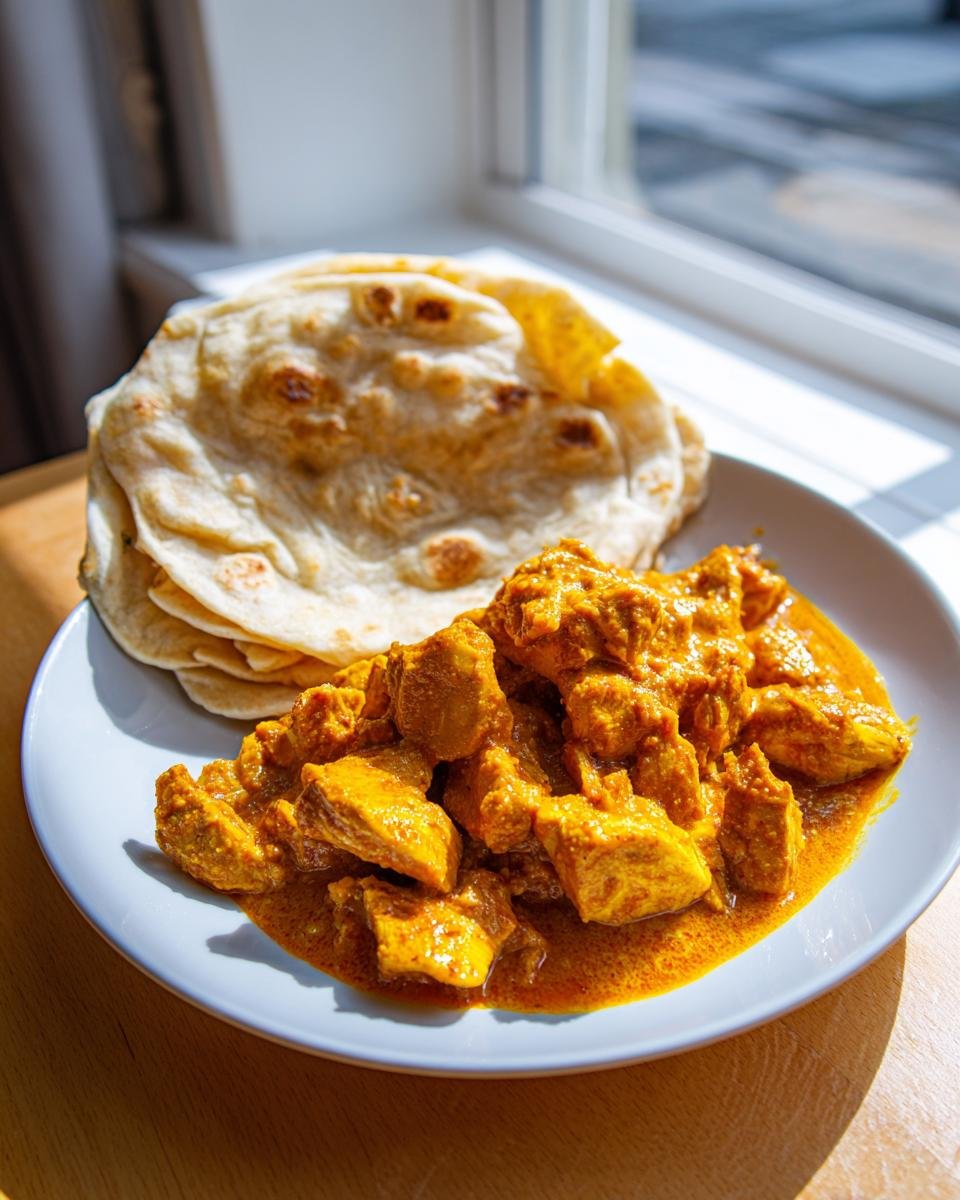
- The chicken is fall-apart tender, swimming in a rich coconut-toned sauce that clings perfectly to the roti.
- You get that incredible, layered warmth from the homemade spice blend—nothing tastes better than freshly bloomed spices!
- The roti itself? Shockingly easy! Seriously, if you can make pie crust, you can nail this flatbread. They puff up beautifully on the pan.
- It’s the best kind of meal prep. The curry actually gets *better* the next day, making lunch a dream!
Key Benefits of Making Curry Chicken Roti at Home
Why buy when you can make something this good right on your stovetop? Here’s what sets this version apart:
- Deep, authentic flavor profile: We use traditional curry powder combined with fresh ginger and garlic. It’s a depth of flavor you just can’t replicate quickly otherwise.
- Roti is surprisingly easy to make: Seriously, don’t be intimidated by the bread! Mixing flour, water, and oil takes about five minutes, and you get unbelievably fresh flatbread with zero yeast fuss.
- Perfect for meal prepping: The curry holds up beautifully in the fridge. Just keep the roti separate and warm them fresh for the best texture experience.
Essential Ingredients for Flavorful Curry Chicken Roti
Okay, listen up! A great curry—especially this Caribbean chicken curry—lives or dies by the quality of its spice base. Don’t try to skimp here! You need to make sure you have everything measured out before you even think about turning on the stove. It all comes together so fast once you start cooking the aromatics, so having your prep done is key. This builds the trust factor, you know? We want that deep, authentic color and flavor in this Curry Chicken Roti!
For the Chicken Curry Base
This is where the flavor magic happens. I know the list looks a little long on the spices, but trust me, this combination is what gives it that signature Caribbean warmth. If you have a favorite high-quality curry powder blend, use that! That will really elevate the final taste.
- Chicken: You need about 2 pounds, cut into nice, easy-to-eat bite-sized pieces.
- The Spice Crew: 2 tablespoons of glorious curry powder, 1 teaspoon of turmeric for that bright yellow color, and then 1 teaspoon each of ground cumin and ground coriander. Don’t forget your salt and pepper, too!
- Aromatics: 2 tablespoons of vegetable oil to start things off, one big onion chopped up, and then three cloves of garlic that you’ve minced up finely. We also need about an inch of fresh ginger, and this one has to be grated—it releases so much more zing than just chopping it, so get that box grater out!
- Liquids: 1 cup of chicken broth and about half a cup of rich coconut milk. The coconut milk is non-negotiable; it smooths out the spice perfectly. If you want to make a separate spicy dipping sauce later, maybe check out something like homemade chili garlic sauce, but keep coconut milk in the curry!
For the Homemade Roti (Chicken Flatbread)
The roti is the delivery vehicle, and we want it soft and perfect for wrapping up that gorgeous chicken. This dough is super simple, no yeast required, which keeps the total time down!
- Flour: 2 cups of standard all-purpose flour to start.
- Water: You’ll need about half a cup of warm water, but I always say use ‘approximately,’ because humidity changes everything! You add it slowly until you get a soft, pliable dough—not stiff, never stiff!
- Fat: 2 tablespoons of oil or ghee. Ghee makes the roti a tiny bit richer, but regular oil works just fine, especially if you brush it on after cooking for extra softness.
Expert Tips for Perfect Curry Chicken Roti
Now that you have your ingredients ready, let’s talk about taking this Curry Chicken Roti from good to absolutely unforgettable. Getting the technique right, especially with the spices and the chicken texture, is what separates a quick weeknight meal from a dish you brag about. These little tricks are what I picked up over years of trial and error—I don’t want you making my mistakes!
Marination Secrets for Deep Curry Chicken Roti Flavor
The recipe calls for 15 minutes of marination, and look, if you’re in a huge hurry, that’s fine, it works. But can I tell you a secret? If you can manage it, give that chicken at least an hour. Better yet, mix your chicken into those beautiful spices the night before! When the chicken sits overnight in the fridge, those ground spices actually start to penetrate the meat fibers.
When you’re mixing, make sure you get hands-on! Use your clean fingers to really massage that turmeric, cumin, and curry powder mix all over every single piece of chicken. If you see a piece that looks pale, add a pinch more spice to it. We want every single surface coated before it hits the hot oil. It’s worth the extra minute, I promise. It’s the depth of flavor that really makes this Caribbean chicken curry shine!
Troubleshooting Common Curry Chicken Roti Issues
Even the best cooks run into little snags, especially when dealing with sauces and dough. Don’t panic if things don’t look ‘perfect’ right away. A little adjustment goes a long way.
Sauce Too Thin? This happens if your coconut milk or broth was a little too generous, or maybe you didn’t simmer long enough. Just reduce the heat to low, pull the lid off the pot, and let it bubble away gently. Stir every few minutes. The water will evaporate, and the sauce naturally thickens up as the starches from the chicken release. Don’t rush it; that slow simmer creates tender chicken.
Spices Burning Early On? This is a classic mistake! When you add the dry spices (curry, turmeric, etc.) to the hot oil with just the onions, they can scorch in seconds, turning bitter. If you feel the heat is too high when blooming those aromatics, pull the pot off the burner for 30 seconds while stirring, or turn the heat down to low. You want the garlic and ginger to smell fragrant, not to look dark brown or smell burnt!
Step-by-Step Instructions for Curry Chicken Roti
Alright, deep breath! This might seem like two recipes smashed together, and in a way, it is! But we tackle them in sequence, and it’s totally manageable. First, focus on that incredible sauce and tender chicken. Once that’s simmering happily, you switch gears entirely to the roti dough. If you make the roti while the curry is simmering away, everything finishes at the exact same time. It’s like kitchen choreography, and I absolutely love how efficiently this flows together!
Preparing the Flavorful Chicken Curry
Remember how we talked about marinating? Step one is done! Now we build the foundation of flavor. You want a nice, heavy pot—a Dutch oven is perfect here since it holds heat so well.
- First things first: Put your 2 tablespoons of vegetable oil in that pot over medium heat. Wait until it shimmers a little bit. Don’t burn it, though!
- Toss in your chopped onion. We’re looking for soft, translucent onions here, so let them cook gently for about 5 minutes. You want them happy, not crispy.
- Now, throw in that minced garlic and grated ginger. Be ready for the smell! Cook them for just 60 seconds until you can really smell them—that’s called ‘blooming’ the aromatics, and it releases their oils.
- Time for the star! Add your big bowl of marinated chicken. You need to cook this until all the pieces are browned on the outside. This step seals in the flavor and keeps the chicken from getting mushy later on.
- Once the chicken looks good, splash in your chicken broth and pour in that creamy coconut milk. Give it a good stir to lift any browned bits off the bottom of the pan—that’s flavor gold!
- Bring it all up to a gentle simmer—not a roiling boil! Then, knock the heat way down to low, put the lid on, and let it do its job for 25 to 30 minutes. That’s the sweet spot I nailed where the chicken becomes perfectly tender and the sauce thickens just enough.
While that’s simmering, we move on to the flatbreads. If you peeked at the simmering curry during a stir, that’s fine, but now the roti needs your full attention!
Making and Cooking the Soft Roti for Your Curry Chicken Roti
This dough is simple, but texture matters a ton here. We want these rotis soft and pliable for wrapping, not tough like crackers. They cook lightning fast, so be ready when they come off the heat!
- Get your flour into a nice big bowl. Start adding that warm water very slowly—a tablespoon at a time—while mixing with your hands. You’re looking for a soft dough ball that barely sticks to the sides of the bowl.
- Turn that dough out onto your counter and knead it! You want to work it for about 5 full minutes until it feels smooth and elastic. If it feels dry while kneading, wet your hands slightly and keep going.
- Now, make 8 equal little balls right away. You can cover them with a damp cloth while you work on the first few, though honestly, since there’s no yeast, they don’t need a long rest.
- Take one ball and roll it out onto a lightly floured surface until it’s a thin, 6-inch circle. Don’t make it too thick, or it won’t puff!
- Heat up a dry skillet or griddle over medium-high heat. High heat is important for the puff! Lay one roti down. Cook for maybe 1 to 2 minutes per side. You should see puffy spots and light brown, leopard-like spots developing.
- When they come off the heat, immediately brush the top lightly with melted ghee or oil, and stack them while covering them with a clean kitchen towel. This steams them just a bit, keeping that incredible softness we love for soaking up your coconut curry chicken soup alternative!
When the timer goes off on your curry, taste it and adjust salt if needed. Then, you assemble this masterpiece and dig in!
Ingredient Substitutions for Your Curry Chicken Roti
Life happens! Maybe you’re out of coconut milk, or maybe you suddenly decided you needed Curry Chicken Roti five minutes ago and don’t have time for dough. That’s totally okay! I always keep a few easy swaps tucked away in my back pocket for when the craving strikes but the fridge isn’t cooperating. We want to keep that Caribbean flavor profile strong, but sometimes we need to improvise a little.
The most important rule when substituting is to keep the core flavor elements—the curry powder, turmeric, cumin, and coriander—intact. If you mess with those ratios, you’re making something different entirely!
- Chicken Swap: If you don’t have skinless, boneless chicken thighs or breast, you can absolutely use bone-in pieces. Just know that bone-in chicken will need an extra 10 to 15 minutes of simmering time to ensure it’s tender enough to fall off the bone. Also, shrimp or firm white fish cook much faster, obviously, so adjust your simmering time to maybe 10 minutes max after browning.
- Coconut Milk Replacement: This one is common! If you’re out of coconut milk, use heavy cream or even half-and-half, but you might need to thin it slightly with a touch more chicken broth. Be warned, the flavor won’t have that traditional tropical sweetness, so don’t skip the salt calibration at the end! For a dairy-free swap that’s closer to coconut, you can sometimes use full-fat cashew milk, but use sparingly as it can be thicker.
- Aromatics Trick: If you are truly out of fresh ginger or garlic? You can use powders, but use them sparingly! A quarter teaspoon of garlic powder for three cloves, and maybe a dash of ground ginger. It won’t be as bright or pungent as the fresh stuff, but it will keep the spices from tasting naked.
- The Roti Reality Check: Okay, I’ll say it: homemade is infinitely better for this Caribbean chicken curry. But if you are truly desperate? Use store-bought pita bread or flour tortillas. Warm them up really well on that dry skillet first! They won’t have the flakiness of real roti, but they will still hold the curry beautifully.
Just remember, these are workarounds, not the gold standard. Nothing beats the flavor of the fresh ginger grated right into the pot, but these swaps ensure you still get a fantastic, satisfying meal!
Serving Suggestions for the Best Curry Chicken Roti Experience
So, you’ve got the perfect Curry Chicken Roti on the table—the curry is rich, the roti is soft, and honestly, you might just be done right there. But why stop when you’re having this much fun? A great Caribbean chicken curry really sings when paired with the right accompaniments. These additions are all about texture contrast and balancing out that wonderful spice.
First off, let’s talk about vegetables. Remember those optional additions I mentioned in the notes? Go ahead and toss chopped potatoes or carrots into the curry pot when the chicken goes in! Potatoes soak up that sauce like crazy and add a great hearty feeling to the meal. If you’re feeling fancy and want something sweet on the side—maybe to cut through a little too much heat—you could throw together a quick side of the candied carrots I make. Sweet and savory next to spicy curry? It’s delightful!
Simple Garnishes That Make a Huge Difference
Don’t just dump the curry in a bowl! A little garnish goes a long way to making this feel like a real, special meal, not just something you threw together quickly (even if you did!).
- Fresh Chopped Scotch Bonnet: If you like heat, slice a super thin ring of scotch bonnet pepper right on top. Be careful handling these guys!
- Cilantro or Chives: A sprinkle of fresh, bright green herbs adds immediate visual appeal and a fresh, grassy note that cuts through the richness of the coconut milk.
- Lime Wedges: A squeeze of fresh lime juice right before you take a bite wakes up all the spices in the curry. Seriously, try it—it makes the ginger pop!
The Perfect Side for Sopping Up Sauce
We already have the roti, which is the MVP for scooping, but sometimes you want something cool and creamy to balance the heat lingering on your tongue.
My absolute favorite pairing, which you often see served alongside homemade roti, is a simple cucumber and tomato salad—maybe dressed with a tiny bit of vinegar, salt, and pepper. It’s cool, crispy, and refreshing. Or, if you want to lean fully into the dairy side, a scoop of plain Greek yogurt or sour cream on the side works wonders for cooling things down between bites of spicy goodness!
Storage and Reheating Instructions for Leftover Curry Chicken Roti
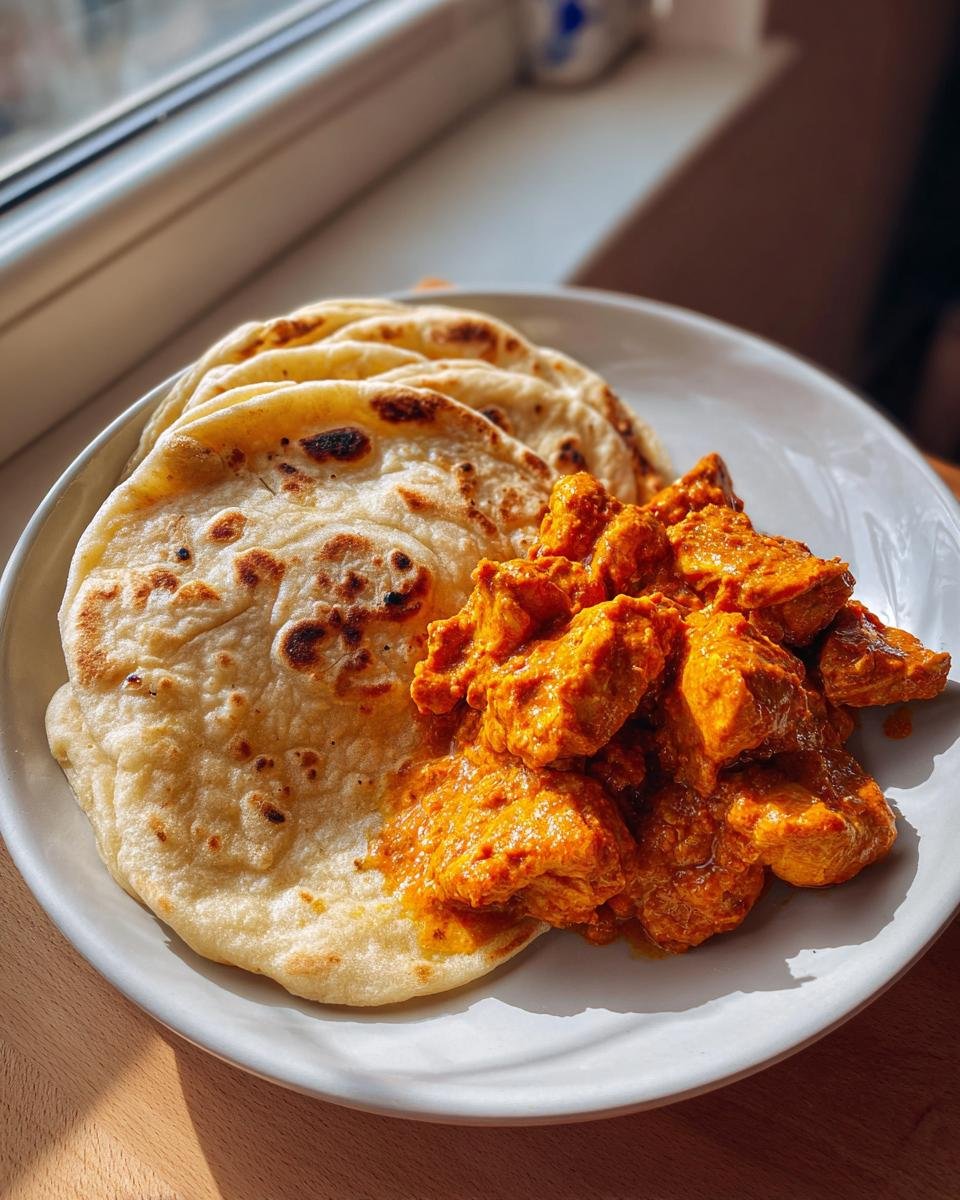
Listen, I hope you made enough because the leftovers are honestly sometimes even better the next day! That slow marriage time in the fridge lets all those beautiful curry spices really deepen their flavor profile. But here’s the critical part: you absolutely cannot store the wet curry together with the oily, flaky homemade roti if you want them to be good the next day.
If you put the hot curry on top of the roti, you end up with soggy bread, and nobody wants that sad, mushy experience. We worked too hard to knead and cook those flatbreads perfectly!
Storing the Curry Chicken
The curry itself is super sturdy! Once it’s completely cooled down—and I stress *completely* cooled down, like room temperature—transfer it to an airtight container. It keeps wonderfully in the refrigerator for about three to four days. Seriously, try it on day two; the ginger and cumin notes are way more pronounced!
If you happen to have way too much, you can totally freeze it! Portion out what you think you’ll eat in a single sitting, place it in a freezer-safe bag or container, and it should be good for a solid three months. Just thaw it overnight in the fridge before reheating.
Keeping Your Roti Fresh
The roti needs separate treatment. Since we brushed them with a little oil or ghee, they stay soft for a while at room temperature, but only if you keep them protected. Once cooled, stack them neatly and wrap that whole stack tightly in plastic wrap, or put them in a large Ziploc bag, making sure all the air is squeezed out.
They are best eaten the day they are made, of course, but they’ll stay good at room temperature for up to 24 hours. If you need them longer than that, toss them in the freezer too! They freeze beautifully right in that plastic wrap.
Reheating for That Fresh-Off-the-Griddle Taste
Reheating is where you bring the magic back to life, especially for the roti. For the curry, just reheat it gently on the stovetop over medium-low heat until it’s steaming hot. If it seems a little thick upon reheating—which happens when the coconut milk settles—just thin it out with a splash of water or broth while stirring.
For the roti, please, for the love of good bread, do not microwave them if you can avoid it! Microwaving them just makes them chewy and tough. Instead:
- Best Way: Heat a dry skillet (the same one you cooked them on!) over medium heat. Lay the roti flat for about 30 seconds per side. They will soften right up and might even puff again beautifully.
- Quick Way: If you’re in a huge rush, pop them directly onto the grates of a gas burner for just a few seconds on each side using tongs—be careful, they cook fast! Then wrap them in foil in a warm oven (about 250°F) for a few minutes until warm and pliable.
Once your roti is warm and your Caribbean chicken curry is piping hot, assemble them together, and enjoy that leftover meal like it was the first time!
Frequently Asked Questions About Curry Chicken Roti
I get so many questions about mastering this dish, which is totally understandable! It seems complicated with the curry and the bread happening at once, but once you get the rhythm, it’s easy. Here are some of the things I hear most often when people are setting out to make my Curry Chicken Roti recipe.
Can I make the curry chicken ahead of time?
Oh, please do! This is my absolute favorite part about this meal. If you have the time, cook the curry one day and wrap up your rotis later, or even cook both the day before. The slow simmering process means the spices really have time to bloom and mingle overnight. When you reheat it the next day, that Caribbean chicken curry tastes so much deeper and richer—it’s fantastic. It saves so much time if you’re serving this for a gathering too!
What is the best way to reheat the roti?
The biggest mistake you can make is reheating the roti in the microwave! I know, I know, it’s fast, but it turns them into sad, rubbery frisbees. We want that soft, slightly chewy, flaky texture that happens when you apply dry heat. The best way is grabbing that same dry skillet or griddle you cooked them on originally. Heat it to medium, place the roti on the dry surface for about 30 seconds per side until they are warm and maybe even puff up a little again. If you need to do a big batch, warm them in a low oven (around 200°F) wrapped loosely in aluminum foil, which keeps the moisture in.
Is this recipe spicy? How can I adjust the heat in my Curry Chicken Roti?
That’s a great question! The heat level in this recipe relies almost entirely on your spice blend. Standard, good-quality curry powder has a nice warmth, but it isn’t usually blow-your-head-off hot. If you really love spice, here’s how you dial it up:
- Add Heat Directly: For serious heat, add a finely minced jalapeño or—if you are brave like me—a tiny bit of finely chopped scotch bonnet pepper when you are cooking the garlic and ginger. A pinch of cayenne pepper added to the dry spices works too.
- Dial It Back: If you think you or your guests might prefer less heat, just reduce the amount of curry powder you use by about a quarter, or skip the cayenne if you added any. The coconut milk definitely helps temper the heat, but controlling the starting spices is easiest.
See? No need to stress over the spice level when making your homemade roti combo!
Can I use store-bought coconut milk powder instead of canned coconut milk?
Yes, you can often substitute! If you are using a powdered coconut milk, check the package instructions for how to reconstitute it to the equivalent of full-fat canned milk—usually, you mix the powder with hot water. The downside is that the canned version provides a certain level of fat and richness that really stabilizes the sauce. If you use the powder version, you might find the sauce is a little thinner, so you might need to let it simmer uncovered for an extra 5 minutes to reduce it down a bit. If you’re thinking about dough recipes, skipping the yeast is easier; if you’re looking at doughs like the one for Italian pizza dough, you’d need to adjust liquids significantly, but for the curry, a little reduction usually fixes it!
Nutritional Estimate for Curry Chicken Roti
Okay, let’s talk numbers for a minute! I always say that when you’re making something this flavorful and satisfying, you shouldn’t worry about the macros too much, but sometimes we need a general idea of what we’re putting into our bodies. Since this is home cooking, and I know everyone uses slightly different brands of curry powder or coconut milk, please keep in mind that these figures are just a good estimate!
These numbers are based on serving one person one portion of the curry, paired with two of those lovely, flaky, freshly-made rotis. If you manage to polish off the whole pot yourself (no judgment here!), just multiply accordingly!
Here is a general breakout based on what that glorious Curry Chicken Roti comes out to be:
- Serving Size: 1 serving curry with 2 roti
- Calories: About 550 calories in this hearty portion.
- Protein: We’ve got a wonderful 40 grams of protein here, thanks to that chicken!
- Fat: Roughly 25 grams total fat, with about 10 grams of that being saturated fat from the coconut milk and oil we use for frying and making the roti.
- Carbohydrates: Around 45 grams, mostly coming from the flour in the roti.
- Sugar: Low sugar content here, hovering around 5 grams, which is mostly natural flavor, not added sweetness.
- Sodium: This will vary the most based on your salt measurement, but it clocks in near 650mg.
Remember, these are just guidelines designed to help you plan your day. If you use low-fat coconut milk or skip brushing the roti with that extra ghee, those numbers will shift slightly. But based on this classic recipe, it’s a surprisingly balanced meal—packed with flavor and protein to keep you going!
Share Your Homemade Curry Chicken Roti
Honestly, what is the point of cooking this amazing Curry Chicken Roti if you can’t shout about it a little bit? That first bite when you tear off a piece of hot, fluffy roti and scoop up that perfectly spiced curry—it deserves an audience!
I put my heart and soul into perfecting this recipe over the years, and now it’s yours! I really, truly want to hear what you think. Did you try my tip about marinating the chicken overnight? Did your roti puff up nicely on the skillet? Maybe you tried adding potatoes like I suggested?
Please, take a picture of your dazzling spread! Tag me on social media—I absolutely love seeing your kitchen successes. When you get a chance, pop back over here and leave a rating, even if it’s just five quick stars. Reading your feedback, especially when you say it reminds you of authentic Caribbean chicken curry, is what keeps me inspired to share all my kitchen secrets!


Curry Chicken Roti
- Total Time: 60 min
- Yield: 4 servings 1x
- Diet: Low Lactose
Description
A recipe for making flavorful curry chicken served with soft roti bread.
Ingredients
- 2 lbs chicken, cut into bite-sized pieces
- 2 tablespoons curry powder
- 1 teaspoon turmeric powder
- 1 teaspoon ground cumin
- 1 teaspoon ground coriander
- 1 teaspoon salt
- 1/2 teaspoon black pepper
- 2 tablespoons vegetable oil
- 1 large onion, chopped
- 3 cloves garlic, minced
- 1 inch ginger, grated
- 1 cup chicken broth
- 1/2 cup coconut milk
- For Roti: 2 cups all-purpose flour
- 1/2 cup warm water (approx)
- 2 tablespoons oil or ghee
Instructions
- In a bowl, mix the chicken pieces with curry powder, turmeric, cumin, coriander, salt, and pepper. Let it marinate for 15 minutes.
- Heat vegetable oil in a large pot or Dutch oven over medium heat.
- Add the chopped onion and cook until soft, about 5 minutes.
- Add the minced garlic and grated ginger. Cook for 1 minute until fragrant.
- Add the marinated chicken to the pot. Cook until browned on all sides.
- Pour in the chicken broth and coconut milk. Bring the mixture to a simmer.
- Reduce heat to low, cover, and cook for 25-30 minutes, or until the chicken is tender and the sauce has thickened.
- While the curry simmers, prepare the roti. In a bowl, mix the flour.
- Gradually add warm water until a soft dough forms. Knead for 5 minutes.
- Divide the dough into 8 equal balls.
- Roll each ball into a thin circle (about 6 inches wide).
- Heat a dry skillet or griddle over medium-high heat.
- Cook each roti for about 1-2 minutes per side, until light brown spots appear and it puffs up slightly.
- Serve the curry chicken hot with the freshly made roti.
Notes
- You can add chopped potatoes or carrots to the curry for extra vegetables.
- For softer roti, brush each cooked roti lightly with ghee or oil and stack them while keeping them covered.
- Prep Time: 20 min
- Cook Time: 40 min
- Category: Main Course
- Method: Stovetop
- Cuisine: Caribbean
Nutrition
- Serving Size: 1 serving curry with 2 roti
- Calories: 550
- Sugar: 5
- Sodium: 650
- Fat: 25
- Saturated Fat: 10
- Unsaturated Fat: 15
- Trans Fat: 0
- Carbohydrates: 45
- Fiber: 3
- Protein: 40
- Cholesterol: 110
Keywords: Curry Chicken Roti, Caribbean chicken curry, homemade roti, chicken flatbread