Oh my gosh, are you ever just smacked in the face by a craving?
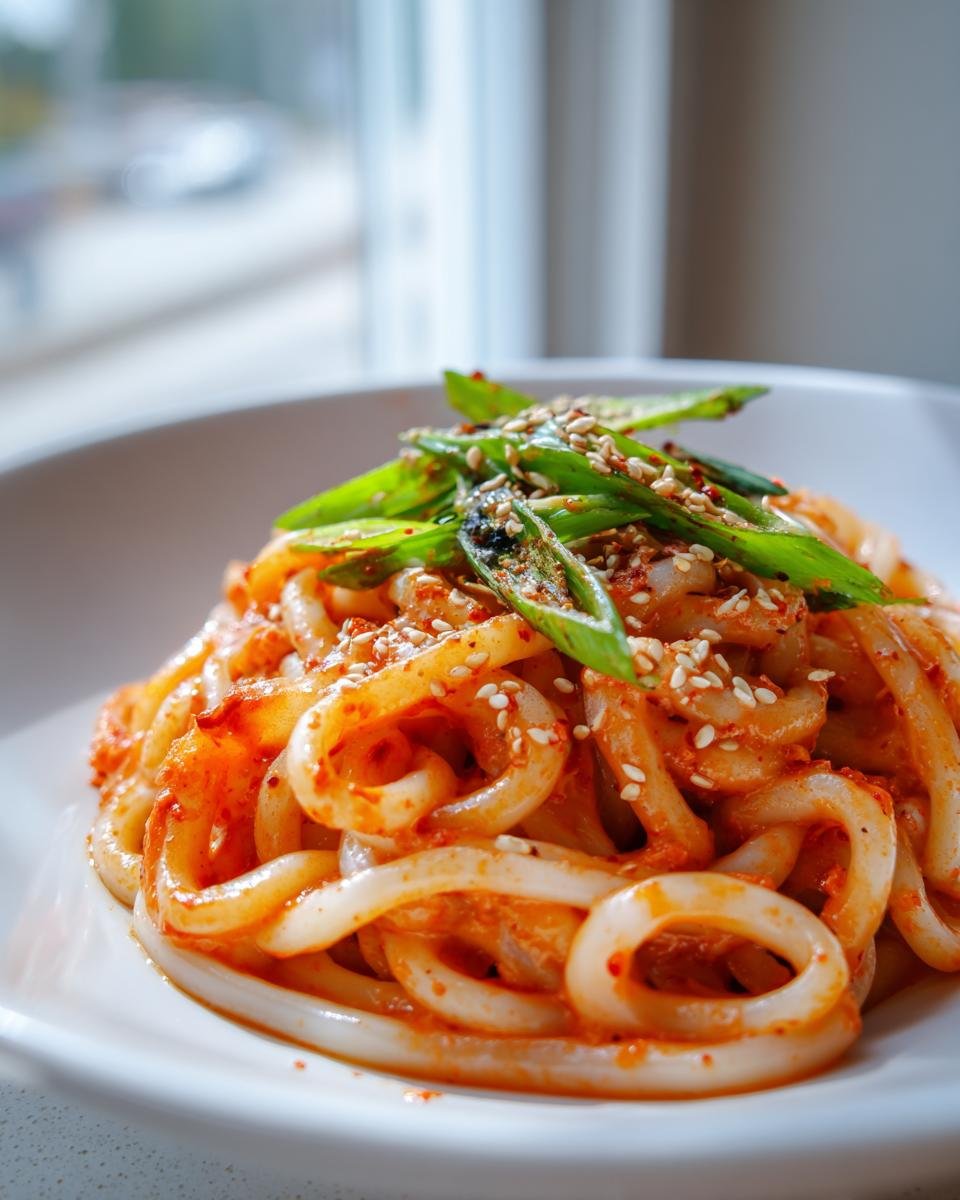
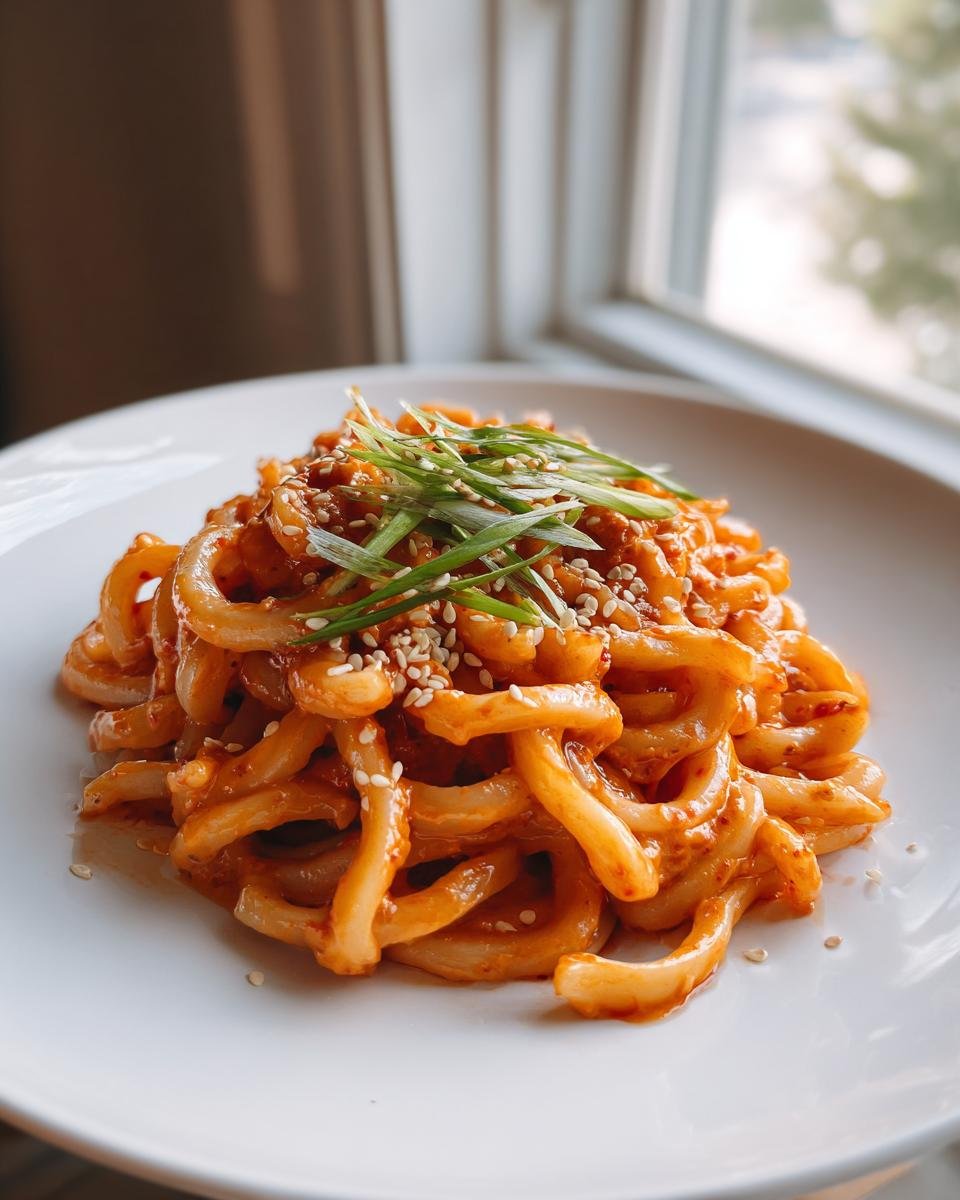
You know the one—you need something intensely comforting, warm, deeply savory, and just spicy enough to make your nose run a tiny bit. For me lately, that craving hits around 7 PM on a frantic Tuesday night. Forget waiting hours for something complicated! That’s why I perfected these Creamy Gochujang Udon Noodles. Seriously, they are a miracle. In the ten minutes it takes me to boil water, I’ve whipped up this ridiculously rich, stunningly spicy sauce that clings perfectly to those fat, chewy udon noodles. This recipe is my secret weapon for feeling like I cooked a whole feast when I’ve barely done any real work. It’s fusion comfort food at its absolute best.

Why You Need This Creamy Gochujang Udon Noodles Recipe
Listen, if you think gourmet comfort food takes forever, you haven’t met these noodles yet. I can practically guarantee you have everything you need in your pantry right now! This recipe is pure gold for those nights when you’re exhausted but still want dinner to feel special. This isn’t just fast food; it’s *good* food, fast.
- Speed Demon: We’re talking maybe 15 minutes total, start to finish. If you can boil water, you can nail this dish.
- Flavor Bomb: It hits every note! You get the savory depth from the soy, the sweet kick from the mirin, the fiery joy of the gochujang, and then—BAM—it’s all wrapped up in that lush, smooth creaminess.
- Easy Fusion Magic: It feels incredibly gourmet, but it’s really just whisking a few things together in a pan. It’s my favorite way to do an Asian-inspired weeknight meal without having to order takeout.
- Texture Heaven: That combination of chewy udon noodles swimming in sauce made velvety with noodle water? Unbeatable.
Essential Ingredients for Creamy Gochujang Udon Noodles
Okay, let’s talk about what goes into this glorious sauce. Since this whole recipe is so fast—only about 15 minutes—you really want to have your ingredients lined up and ready to go. Don’t try to chop the garlic while the sauce is simmering, or you’ll burn your gochujang, trust me! I learned that the hard way.
Here’s your shopping list. Every single item plays a crucial role, especially that starchy cooking water!
- Udon Noodles: You need about two servings of fresh or frozen udon. Those thick, chewy ribbons are what hold up best to the thick cream sauce.
- Neutral Oil: Just one tablespoon to get things started in your skillet. Nothing fancy needed here.
- Garlic and Ginger: Two cloves of garlic, minced super fine, and about one teaspoon of fresh ginger, grated. This is your aromatic base! It wakes everything up.
- Gochujang: This is the star! You want two tablespoons of the chili paste—this is where your spice and deep savory flavor come from. If you love heat, I sometimes sneak in a bit more here. If you ever run out of your chili paste, you could try my recipe for homemade chili garlic sauce, but honestly, bottled gochujang gives the authentic, fermented kick you really want here.
- Flavor Balancers: One tablespoon of soy sauce, one tablespoon of mirin (that sweet rice wine, it’s key!), and one tiny teaspoon of sugar to balance the spice.
- The Cream Factor: Half a cup of heavy cream. If you’re making the vegan version, grab the thick, full-fat coconut milk instead—the texture is surprisingly similar!
- The Magic Liquid: You MUST save about a quarter cup of the starchy water the noodles cooked in. This liquid thickens the sauce beautifully, better than just plain water!
- A Little Green: Finish it all off with one green onion, sliced thinly, and maybe a teaspoon of toasted sesame seeds for garnish. So pretty!
Tips for Perfect Creamy Gochujang Udon Noodles
Look, since this recipe moves so fast—we’re talking ten minutes for the sauce—you need to treat your ingredients with respect! My biggest piece of advice is about the gochujang itself. Don’t just dump it in and walk away. You need to bloom it in that hot garlic and ginger oil for a solid minute. That short step wakes up all the deep, fermented flavor. If you skip that, the sauce ends up tasting thin, almost watery. You want that rich, paste flavor to bloom before you introduce the liquids!
And please, please, please do not forget the noodle water! When you drain your udon, the water looks kinda murky and scary, right? That’s pure starch magic! That starchy water is what helps the cream and the chili paste emulsify perfectly so you get a glossy sauce instead of creamy chili soup. Add it in slowly, whisking constantly as you pour in the cream. You’ll see that sauce snap into focus right before your eyes. It’s the most satisfying part!
Ingredient Notes and Substitutions for Creamy Gochujang Udon Noodles
Let’s talk swaps for a minute. If you need this to be vegan, ditch the heavy cream and go straight for full-fat coconut milk. The flavor difference is surprisingly minimal because the gochujang is so strong, but you do get a tiny hint of coconut, which I actually love. It pairs really nicely with the sesame garnish!
For spice control, it’s all down to the gochujang quantity. If you use only one tablespoon, it’s savory and warm. If you want serious heat, bump it up to three. Just remember, you can always add spice, but taking it away is a disaster unless you add a HUGE splash more cream.
Customizing Your Creamy Gochujang Udon Noodles
While I adore this dish plain, sometimes I need more substance. That’s when I toss in some pre-cooked protein right when I’m preparing the sauce. If you have leftover shredded chicken or strips of seared tofu, throw those in during step four when you mix in the cream. They’ll warm right up and soak up that amazing sauce.
For veggies, keep it simple since we’re moving so fast. Thinly sliced mushrooms or shredded carrots are great additions, but you need to sauté them right after the garlic and ginger, before adding the spice paste. If you’re looking for more vegetable ideas to bulk up your dinner, check out these quick veggie stir-fry noodle variations—you can borrow those vegetable timing tricks here!
Step-by-Step Instructions for Creamy Gochujang Udon Noodles
Look, this recipe moves so fast you need to be ready to go once the noodles are done. Think assembly line cooking! First things first, get those udon noodles cooking according to their package instructions. If you’re using frozen ones, they usually just take a quick dip in boiling water. Right before you drain them—and I mean the second before—scoop out about a quarter cup of that cloudy, starchy cooking water. Do not skip this step! Seriously, that water is your sauce binder.
Once the noodles are drained, set them aside. Now, let’s make the magic sauce. Get a large skillet or a wok heating up over medium heat and drop in your tablespoon of neutral oil. Wait just a second, then add your minced garlic and that grated ginger. You are only cooking these for about 30 seconds—just until you can really smell them, that intoxicating garlic aroma fills the kitchen. Be careful not to burn them, or the whole sauce base tastes bitter, which is a total bummer. If you need some ideas for bulking up the vegetable content in quick noodle dishes, you can always look at tips from my veggie stir-fry noodle variations for timing inspiration!
Immediately after that 30 seconds, stir in your gochujang, soy sauce, mirin, and sugar. You need to keep stirring constantly for a full minute here. This is that ‘blooming’ step; you have to toast that chili paste a little bit to bring out its deep, fermented flavor. Once that minute is up, lower the heat way down to low—this is important so nothing scorches! Slowly pour in the heavy cream and that reserved noodle water. Whisk, whisk, whisk until the sauce loosens and looks smooth and slightly thick.

Finally, add those drained udon noodles right into the silky sauce. Turn the heat back up just slightly—low to medium-low—and toss everything together vigorously for one or two minutes. You just want to make sure every single noodle is coated with that spicy pink gold. If it looks too thick as you toss, add another teaspoon of that reserved starchy water. That’s the trick! Serve it up right away while it’s piping hot, finishing with your green onion and sesame seeds!”
Serving Suggestions for Creamy Gochujang Udon Noodles
Once you plate up this gorgeous, spicy tangle of noodles, you have to finish it properly! We know the recipe calls for fresh sliced green onion and toasted sesame seeds, and you absolutely must use them. That onion adds a little sharp freshness that cuts through the richness of the cream.
But if you want to make this a full Korean-inspired meal, you need something tangy on the side to balance the creamy heat. I always grab a little bowl of quick pickled radishes or some crunchy kimchi. Even just a few slices of cucumber dressed with a splash of rice vinegar is perfect. It makes the whole dish sing!
Storage and Reheating Instructions for Creamy Gochujang Udon Noodles
Even though these noodles disappear fast in my house, I always try to save a small portion because they are great for lunch the next day! Store any leftovers in a truly airtight container right away. You don’t want to leave that creamy sauce sitting out—it’s a dairy product, after all. They’re best eaten within two days, tops.
Reheating is where you need to be careful. The cream tends to thicken up a lot in the fridge, making the noodles a bit stiff. I never use the microwave straight away; it just gets gummy. Instead, pop the noodles into a small saucepan over low heat. Crucially, add a tiny splash of water or milk—just enough to loosen things up. Stir constantly until it’s heated through and the sauce looks saucy again. It might not be *quite* as perfect as fresh, but it’s still delicious!
Frequently Asked Questions About Creamy Gochujang Udon Noodles
I get so many great questions about this recipe when people try to make their own creamy udon twist! Since it moves so fast, it’s easy to miss a little detail, so I thought I’d tackle the most common things folks ask about regarding spice and texture.
Can I use ramen noodles instead of udon for this Creamy Gochujang Udon Noodles recipe?
Oh yes, you absolutely can! While I adore the thick, chewy texture of udon, instant ramen or even dried Chinese egg noodles will work in a pinch. Just make sure you cook the ramen noodles slightly less than the package says. They tend to absorb sauce much faster than udon, and we don’t want them getting mushy when you toss them in that thick sauce!
How can I make the Creamy Gochujang Udon Noodles less spicy?
This is easy to manage! The heat is entirely dictated by how much gochujang you use. If you keep it to one tablespoon instead of two, you’ll get a beautiful savory flavor without the intense burn. If you’ve already sauced them and it’s too hot for your taste, stir in an extra splash of cream or even a tiny bit of neutral milk to dilute that chili kick right away.
What is the best way to reheat leftover Creamy Gochujang Udon Noodles?
As I mentioned before, leftovers definitely stiffen up because the starch and cream set overnight. The stovetop is always the best route. Put them in a pan over low heat and add a splash of water, broth, or even milk. Stir gently until everything loosens up into that classic sauce consistency again.
If you’re experimenting with other noodle types down the line, like rice noodles, you might find they need a little extra moisture when reheating. Speaking of other noodles, if you’re looking for chewiness in different forms, check out some tips on chewy rice noodles; sometimes that texture is just what you need!
Estimated Nutritional Data for Creamy Gochujang Udon Noodles
Now, I’m not a nutritionist—I’m just standing in my kitchen dreaming up dinner! But based on the amounts of cream, noodles, and sugar we use in this recipe for two servings, I’ve put together some general numbers so you know what you’re getting into.
- Calories: Around 450 per serving. They are rich, so that makes sense!
- Fat: About 20 grams total fat.
- Protein: Roughly 15 grams.
- Carbohydrates: About 55 grams, thanks mostly to those satisfying udon noodles.
Just remember, these are estimates, especially since I always eyeball that swirl of cream! If you add chicken or use coconut milk, these numbers will wiggle around a bit.
Share Your Creamy Gochujang Udon Noodles Creations
Now that you’ve whipped up your own batch of these phenomenal, spicy, cozy noodles, I absolutely *need* to hear about it! Honestly, finding out how you made this recipe your own is one of my favorite parts of cooking. Did you stick to the mild simmer, or did you turn up the heat with extra gochujang?
Please, head down to the comments below and leave a star rating for these Creamy Gochujang Udon Noodles. Tell me what you thought—was it fast enough for your weeknight? Did the coconut milk substitution work out great for you?
And listen, if you snapped a photo of that gorgeous, glossy sauce clinging to your noodles, you have to share it! Tag me on social media so I can see your beautiful dinners. If you ever need to get in touch with questions about scaling the recipe or anything else cookbook related, you can always reach out through the contact page. I can’t wait to see what you’re cooking up!
Print
Creamy Gochujang Udon Noodles
- Total Time: 15 min
- Yield: 2 servings 1x
- Diet: Vegetarian
Description
A quick recipe for rich and spicy udon noodles coated in a creamy gochujang sauce.
Ingredients
- 2 servings fresh or frozen udon noodles
- 1 tablespoon neutral oil
- 2 cloves garlic, minced
- 1 teaspoon ginger, grated
- 2 tablespoons gochujang (Korean chili paste)
- 1 tablespoon soy sauce
- 1 tablespoon mirin
- 1 teaspoon sugar
- 1/2 cup heavy cream or full-fat coconut milk
- 1/4 cup reserved noodle cooking water
- 1 green onion, sliced, for garnish
- 1 teaspoon toasted sesame seeds, for garnish
Instructions
- Cook the udon noodles according to package directions. Reserve about 1/4 cup of the starchy cooking water before draining. Set the noodles aside.
- Heat the oil in a large skillet or wok over medium heat. Add the minced garlic and grated ginger. Cook for about 30 seconds until fragrant.
- Stir in the gochujang, soy sauce, mirin, and sugar. Cook for 1 minute, stirring constantly.
- Reduce the heat to low. Pour in the heavy cream (or coconut milk) and the reserved noodle water. Stir until the sauce thickens slightly and is smooth.
- Add the drained udon noodles to the sauce. Toss well to coat the noodles evenly. Cook for 1 to 2 minutes until heated through.
- Serve immediately. Garnish with sliced green onion and toasted sesame seeds.
Notes
- For a vegan option, substitute the heavy cream with full-fat coconut milk.
- Adjust the amount of gochujang based on your preferred spice level.
- You can add cooked protein like chicken or tofu during step 4.
- Prep Time: 5 min
- Cook Time: 10 min
- Category: Main Dish
- Method: Stovetop
- Cuisine: Korean Fusion
Nutrition
- Serving Size: 1 serving
- Calories: 450
- Sugar: 10
- Sodium: 850
- Fat: 20
- Saturated Fat: 10
- Unsaturated Fat: 10
- Trans Fat: 0
- Carbohydrates: 55
- Fiber: 3
- Protein: 15
- Cholesterol: 50
Keywords: creamy udon, gochujang noodles, spicy noodles, quick dinner, asian noodles