
You know those nights? When you finish a long day and the last thing you want to do is spend an hour chopping and simmering, but you still crave something that tastes like you *tried*? That’s exactly when this ridiculously fast and flavorful Chili Oil Pasta saves the day. Seriously, this recipe is maybe the quickest win in my dinner rotation.
The real secret isn’t the pasta choice—though I love a good spaghetti—it’s making your own chili oil right in the pan while the water boils. Forget those jars sitting sadly in the back of your pantry! When you infuse the oil yourself with crispy garlic and peppercorns, the fragrance that hits your kitchen is absolutely intoxicating. It’s the depth of flavor that makes you think you’ve been cooking all afternoon, when really, you’re done in under 25 minutes.
This recipe became my ultimate staple during that crazy busy season last spring when I was juggling too many commitments. It’s simple comfort food that wakes up your tastebuds instantly. Trust me on this one; once you make this homemade version, you’ll never look at plain pasta the same way again.

Why This Chili Oil Pasta Recipe Works So Well
What makes this simple Chili Oil Pasta so good when it seems like there are only four real ingredients? It all comes down to technique and sheer flavor impact, honestly. I don’t usually have time for fussy sauces during the week, but this one delivers restaurant-quality excitement without the effort.
If you’re wondering why you should bother with this recipe over grabbing a jar of premade chili crisp, here are my main selling points:
- It’s outrageously fast! Honestly, you’re only waiting for the water to boil and the pasta to cook. Most of the flavor building happens passively while it heats up.
- Flavor customization is built right in. You control exactly how much zing you want, and you can play with the savory notes without worrying about hidden sugars or additives.
- It uses pantry magic. The main components—oil, chili flakes, garlic—are things I almost always have on hand, meaning I can whip this up even when I haven’t been grocery shopping properly.
For other lightning-fast meals that rely on simple, bold flavors, check out how I make my chicken and pineapple kabobs when the weather is nice!
Essential Ingredients for Perfect Chili Oil Pasta
When you’re working with such a short recipe, every single ingredient has to pull its weight, right? That’s why we need good quality stuff here, especially for the oil infusion. The recipe relies on balancing heat, aroma, sweetness, and saltiness, so let’s look at what you’ll need to gather. We’re using 12 ounces of your favorite long pasta—spaghetti or linguine are my go-tos because they hold that flavorful oil really nicely.
For the infusion, you need about a half-cup of a neutral oil, like canola or vegetable, because we want the spices to shine, not the oil itself. Then comes the main event: a quarter-cup of dried chili flakes. Don’t skimp here! The better the flakes, the deeper the color and the richer the aroma will be. We toss in two tablespoons of those magical Sichuan peppercorns—you know, the ones that give you that little electric tingle on your tongue! And please, thinly slice three cloves of garlic; don’t mince it, we want crispy slices, not burnt bits!
Finally, for the seasoning base in the bowl, measure out one tablespoon of soy sauce for that salty kick, a full teaspoon of sugar to balance the heat, and just a tiny pinch of salt to bring it all together. If you’ve made your own chili garlic sauce before, you’ll recognize this flavor profile! If you want to dive deep into making your own chili pastes in the future, I highly suggest checking out my recipe for homemade chili garlic sauce.
Ingredient Notes and Substitutions for Chili Oil Pasta
Okay, a couple of quick tips on the ingredients because substitutions are sometimes necessary!
First, the oil. Like I said, neutral oil is best for infusion. If you *only* have olive oil, it works, but be extra careful; it burns much faster than vegetable oil, so keep that heat super low. Secondly, if you can’t find Sichuan peppercorns—which is a shame because that numbing sensation is key—you can use a tiny pinch of black peppercorns mixed with a drop of lemon zest for brightness, but it won’t be the same electric feeling, sorry!
For the best flavor payoff in your oil, make sure your chili flakes are fresh and vibrant red. If they look dusty or dull, the resulting oil will taste flat. If you happen to have chili powder that’s mostly ground dried chili peppers but hasn’t been toasted, sometimes adding a touch more of that along the flakes helps deepen the color. We’re aiming for gorgeous, deep red oil, not brown, quickly burnt oil!
Step-by-Step Instructions for Making Flavorful Chili Oil Pasta
This is where the magic happens, and honestly, it’s less about complicated cooking and more about paying attention to your heat levels. The whole process flies by, so have everything ready to go—this is way faster than making something like simple egg fried rice, but the heat management is just as important!
First things first: get your pasta going in salty water. And here is the single most important thing you can do while it cooks: before you drain it, scoop out at least a half-cup of that starchy, cloudy water. That liquid is basically gold because it helps the oil cling to the noodles later. Cook everything till it’s just perfectly *al dente*, then drain it fast.
Mastering the Chili Oil Infusion for your Chili Oil Pasta
Now for the infusion! This is the part where you can ruin everything if you get too excited. Grab a small saucepan and pour in your neutral oil. Set the heat to medium-low. Do not rush this! We want happy bubbles, not a grease fire!
Toss in your dried chili flakes and the Sichuan peppercorns. Stir them gently and let them sizzle lightly for five to seven minutes. You’ll smell them bloom—it’s the best aroma. The goal is to toast them so they release flavor, but if they turn dark brown, they burn fast, and your whole batch will taste bitter. So watch them like they are about to win a marathon!
Once they look perfectly toasted—not browned—pull the pan right off the heat. *Immediately* drop in your thinly sliced garlic. It’s going to sputter, so be careful! The residual heat in the oil is what will perfectly toast the garlic slices until they are crisp and golden, not mushy or burnt. Let that whole mixture steep for about 10 minutes. Seriously, walk away, let the flavors marry. After that time, strain that beautiful, spicy oil. You can toss the solids, or I sometimes save the crunchy bits to top my next batch of veggie stir-fry noodles!
Tossing and Finishing the Chili Oil Pasta Dish
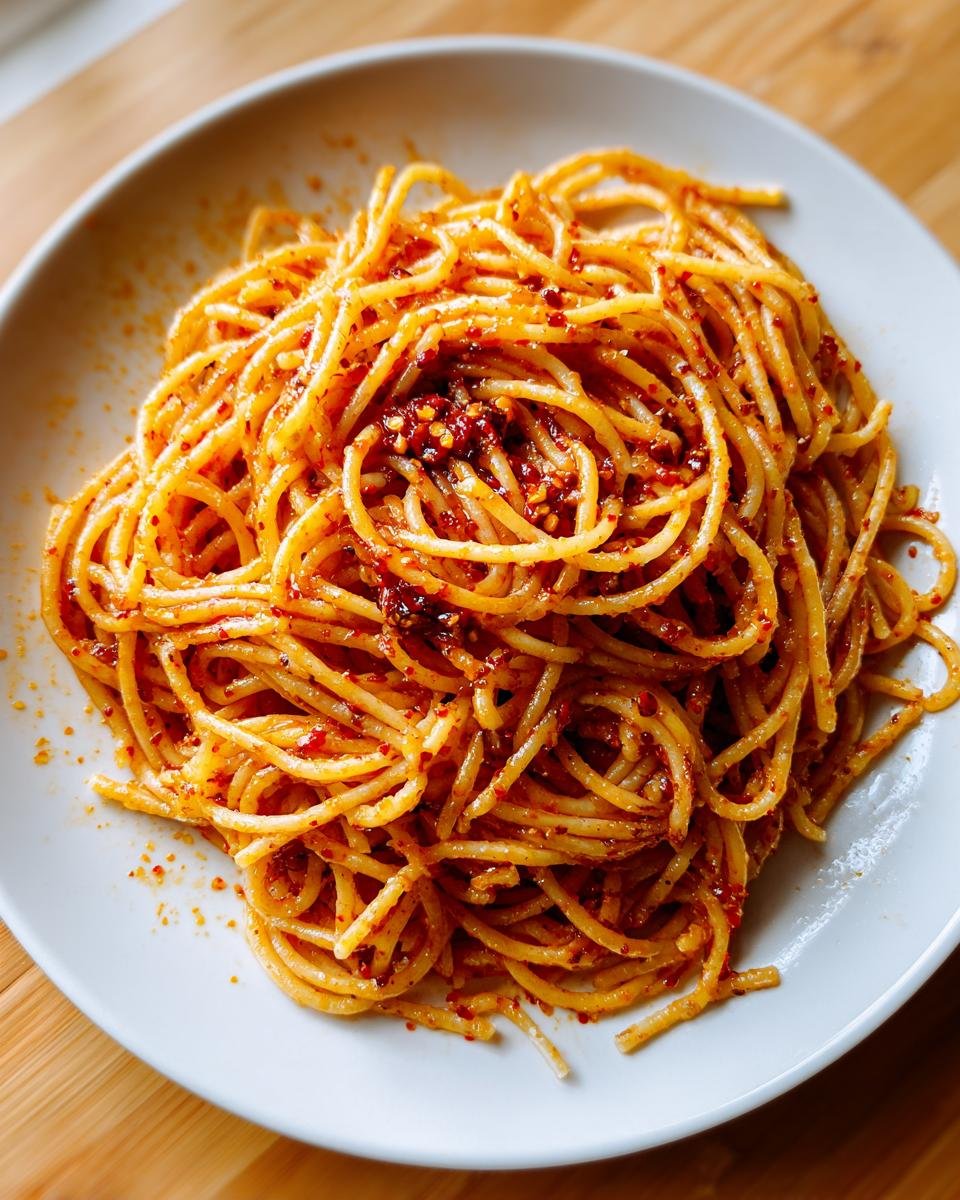
Get a big bowl—you need room to toss this properly! Combine 3 tablespoons of your newly made chili oil with your soy sauce, that teaspoon of sugar, and just a pinch of salt in the bottom of the bowl. Give that a quick swirl with a fork.
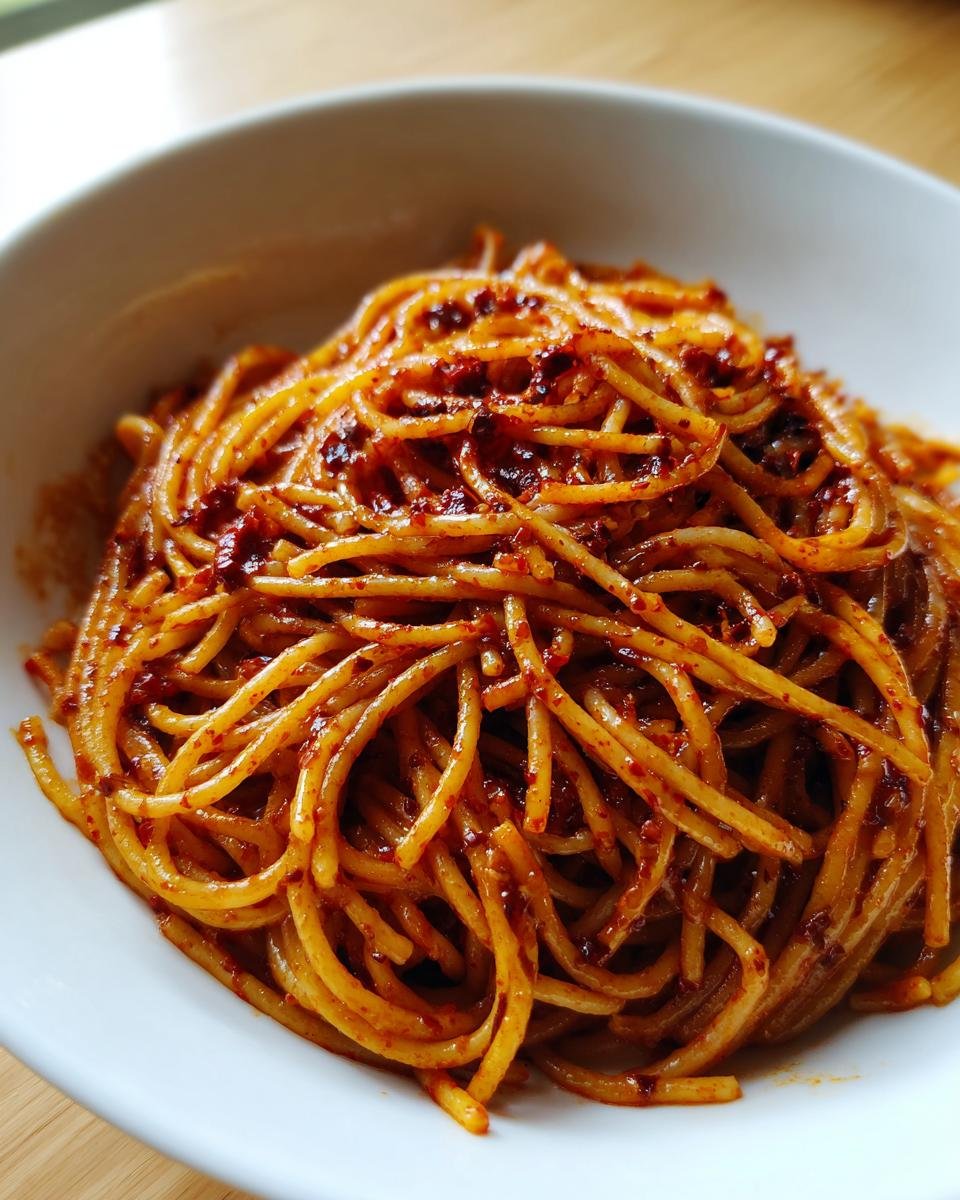
Now, dump your hot, drained pasta straight into that flavor base. Add just a small splash of that reserved, starchy pasta water to start. This is the secret handshake—when you toss it vigorously, the starch, the oil, and the little bit of water emulsify and create a glossy, clingy sauce instead of just oily noodles. If it looks too dry, add another tablespoon of that magic water until every single strand is coated beautifully. Taste it! Does it need a tiny extra sprinkle of salt? Go for it! Serve it immediately while it’s hot and fragrant.
Tips for the Best Ever Chili Oil Pasta
I love how quickly this dish comes together, but if you want to elevate it from ‘quick dinner’ to ‘wow, did you order takeout?’, there are just a couple of little things I always do. These aren’t extra steps that take long; they’re refinement tweaks that make a huge difference in texture and taste, kind of like the secret I use for my juicy bliss steak.
Here are my absolute must-dos when I want this Chili Oil Pasta to sing:
- **Let the Oil Steep Longer:** This is my favorite tip for maximizing flavor! If you have the time, infuse your oil (steps 2-5) and then just let it sit on the counter for an hour before you even start cooking the pasta. The longer the chili and peppercorns soak at room temperature, the richer and deeper that spicy flavor gets. You aren’t adding heat later; you are just letting the infusion process deepen perfectly.
- **Use the Best Pasta You Can Find:** Since the sauce is so simple, the quality of the noodle really shows. Look for spaghetti or linguine that’s bronze-die cut if you can find it. That rougher texture creates microscopic ridges that grab onto that seasoned oil and starchy water mixture beautifully. Thin, slick pasta just lets the sauce slide right off.
- **A Squeeze of Citrus at the End:** This is optional because it slightly deviates from the pure Asian profile, but trust me, a tiny sprinkle of fresh lime or lemon juice right before serving cuts through the richness of the oil and makes all the savory and spicy flavors *pop*. It adds a tiny bit of necessary brightness we sometimes miss when eating something so rich and oily. Start with just a teaspoon, toss it, and taste it!
- **Use Hot Pasta Water:** I mentioned reserving it, but it bears repeating—make sure that pasta water you add back in is hot! If you use cold water, it cools down your sauce immediately and hinders that essential emulsification process we are trying to achieve when tossing everything in the bowl. We want glossy, not clumpy!
Chili Oil Pasta Variations and Serving Suggestions
One of the best things about keeping this recipe in your back pocket is how easily it transforms! It acts as this gorgeous, spicy base sauce that you can really dress up depending on what you have in the fridge or how hungry you are. It’s vegetarian as written, which is fantastic for a quick meatless meal, but adding protein is super simple if you need something heartier.
If you’re looking to bulk it up, I often throw in some scrambled egg right at the end when I’m tossing—like a super-quick noodle scramble! Alternatively, pan-seared tofu cubes or some quickly sautéed shrimp work beautifully with these flavors. Sear them separately until they have a nice crust, and then toss them right in with the sauced pasta.
Adding More Umami and Freshness
To deepen that savory, almost meaty flavor without adding actual meat, try adding mushrooms! Thinly sliced shiitake or cremini mushrooms sautéed in a bit of sesame oil *before* you infuse your chili oil work wonders. They absorb the spice beautifully. Another must-add for me, which makes the whole dish look fresh and vibrant, is fresh cilantro and thinly sliced green onions sprinkled on top right before serving.
You can also toss in some roasted or blanched broccoli florets if you want to sneak some greens in. Just make sure they are quite dry before tossing them with the oily pasta so they don’t dilute your sauce!
Simple Pairings for a Complete Meal
Since this Chili Oil Pasta is so bold and hits all the notes—spicy, salty, a little tingly—you want to pair it with something light and clean on the side. Whenever I make a big bowl of this, I usually whip up a simple side salad with a very mild vinaigrette, just to give my mouth a break from the heat.
If you are craving soup, keep it light. Nothing heavy that competes with that chili oil punch! A simple clear broth soup is perfect. Sometimes, I’ll pair it with a very small bowl of homemade wonton soup broth just for that warm, comforting feeling, but I skip the wontons so I can focus on the noodles.
Honestly, though, my favorite pairing is just a simple side of cold, crisp cucumbers drizzled with a little rice vinegar. They offer the perfect cooling crunch to contrast the spicy, chewy pasta. It’s such a refreshing combo!
Storage and Reheating Instructions for Leftover Chili Oil Pasta
Now, I know this Chili Oil Pasta usually disappears the night I make it, but let’s be real—sometimes you get lucky and have enough left over for lunch the next day! Because this is oil-based rather than cream-based, it actually holds up pretty well in the fridge, which is nice. But you can’t just microwave it straight from the container and expect magic.
The noodles will definitely tighten up and look a little dry once they chill down among that flavorful oil. Don’t worry! This is completely normal, and it’s easily fixed. You need to treat the leftovers gently so you don’t actually “cook” the pasta more; we just need to wake it back up.
Stored properly, your leftovers should last about three days in the refrigerator
When you’re putting it away, just make sure you pack it into an airtight container. If you use a container that’s way too big, the air exposure dries the noodles out faster, so use one that fits the portion snugly. Pop it into the main part of the fridge, not the door where it gets warmer.
The secret to truly reviving those noodles is adding liquid back in
This is the key step! When you reheat it, you can’t just blast it in the microwave dry, or you’ll end up with hard, chewy noodles. Either use a non-stick skillet over low heat or a microwave-safe bowl.
If you are using the microwave, add about a tablespoon of liquid for every cup of pasta you are reheating. I highly recommend using a little bit of plain hot water or, even better, some vegetable or chicken broth if you have some handy. The broth adds a tiny bit of savory flavor back to the noodles as they gently absorb the moisture.
Gently toss it every 30 seconds while microwaving until it’s heated through. If you use a skillet, toss frequently over low heat while adding that splash of water/broth. The heat and the steam will loosen everything right up, and you’ll be back to enjoying delicious, glossy Chili Oil Pasta in just minutes!

Frequently Asked Questions About Chili Oil Pasta
I totally get it; sometimes the simple recipes raise the most specific questions! When you’re infusing oil, things can seem a little vague if you haven’t done it before. I’ve gathered some of the most common things people ask me about making this amazing easy dinner recipe, especially regarding spice levels and dietary needs.
Is this Chili Oil Pasta recipe vegetarian?
Yes, absolutely! As written, this recipe is completely vegetarian. We are using vegetable/canola oil, dried chilies, peppercorns, soy sauce, garlic, sugar, and pasta. See? No meat, no animal products whatsoever, which is why it’s such a fantastic go-to.
Now, if you want to make it fully vegan, that’s usually pretty simple too! The only potential snag is if you use a brand of pasta that uses eggs, but most dried spaghetti isn’t made with eggs. So, unless your pasta contains eggs, you are already vegan! If you wanted to add protein, tofu or some hearty vegetables would be the perfect vegan addition.
How spicy is this Chili Oil Pasta?
This is the fun part—you get to choose your own adventure with the heat level! The recipe calls for 1/4 cup of dried chili flakes. For me, that measurement lands squarely in “pleasantly spicy but I can still taste the garlic and peppercorns” territory. It definitely has a kick!
However, if you are someone who finds standard restaurant spice overwhelming, you can easily back that off to two tablespoons, or even one. You’ll still get wonderful flavor and color from the oil, just less of that mouth-tingling heat. On the flip side, if you want to make this incredibly fiery—like, full-on tears level—you could push it to 1/3 cup or even a little more! Just remember to taste as you go during the final toss!
Can I use pre-made chili oil instead of infusing my own?
You totally can in a pinch, but you’ll miss out on a ton of flavor depth, in my opinion! The reason I insist on making the oil infusion fresh is simple: toasting the Sichuan peppercorns and chili flakes in fresh oil wakes them up. Store-bought chili oils have already had their flavors mellowed out a bit. If you must use a jarred product, use only 3 tablespoons of your store-bought chili oil for the sauce base, and then skip the infusion process entirely and just toss the hot pasta with the jarred oil, soy sauce, and other seasonings. It’s faster, but trust me, if you have 15 minutes, make the fresh oil; it’s worth the extra work!
How long does the homemade chili oil last if I make extra?
If you follow the steps to infuse the oil but then strain it and keep it stored properly, it lasts a surprisingly long time! I usually keep mine in a clean, sterilized jar with a tight-fitting lid at room temperature, away from direct sunlight. Because the spices are steeped and then separated, the oil holds its potency well. Generally, homemade chili oil safely lasts for about 2 to 3 months. If you notice the oil looking cloudy or smelling ‘off’ (that sounds weird, but you’ll know!), toss it immediately. Storing it in the fridge extends the life, but I find the oil gets a little sluggish and hard to measure that way.
Nutritional Estimate for This Chili Oil Pasta
Because this Chili Oil Pasta is all about simple things working together—pasta, spices, and oil—I always get questions about what’s actually in a serving! I pulled together the numbers based on the recipe details, but you know how it is with cooking, right? These are just guidelines. If you use a super thick spaghetti versus a thin linguine, or if you decide to be heavy-handed with the soy sauce, those numbers are going to shift!
Keep in mind that this estimate is based on splitting the total yield exactly into two servings. If you eat more than that (and who hasn’t wanted to after smelling that chili oil?), the values increase.
Here is the approximate breakdown per serving:
- Calories: 550
- Fat: 25g (Keep in mind most of this is the healthy-ish unsaturated fat from the olive oil infusion!)
- Saturated Fat: 3g
- Trans Fat: 0g
- Cholesterol: 0mg
- Sodium: 450mg (Soy sauce is the main contributor here!)
- Carbohydrates: 70g
- Fiber: 4g
- Protein: 15g
- Sugar: 3g
So, it’s a hearty meal, leaning heavily on the carbohydrates from the pasta, but with a decent amount of satisfying fat from that homemade chili oil we worked so hard to create. It’s quick fuel for the rest of your day, or for making sure you don’t order takeout later when that evening snack craving hits!
Share Your Experience Making This Chili Oil Pasta
Whew! Now that you’ve got the secrets to whipping up this vibrant, incredibly fast Chili Oil Pasta, I really want to hear what you think! Did you crank up the Sichuan peppercorns? Maybe you tried tossing in those shrimp I mentioned earlier?
Cooking is all about sharing and learning, so please, take a minute and drop a comment below. Let me know how it turned out! If you made any surprising tweaks that you think everyone else should try, shout them out!
If you loved this quick dinner miracle, I’d be so grateful if you could click those stars and leave a rating for the recipe right here on the page. It helps other busy cooks find these real-life lifesaver dishes. Your feedback helps me keep developing more simple, delicious recipes just like this one.
If you want to know more about the philosophy behind keeping recipes simple and effective, you can read all about my approach on the About page! Happy cooking, everyone!
Print
Simple Chili Oil Pasta
- Total Time: 25 min
- Yield: 2 servings 1x
- Diet: Vegetarian
Description
A quick and flavorful pasta dish featuring homemade chili oil.
Ingredients
- 12 oz pasta (spaghetti or linguine)
- 1/2 cup neutral oil (like canola or vegetable)
- 1/4 cup dried chili flakes
- 2 tablespoons Sichuan peppercorns
- 3 cloves garlic, thinly sliced
- 1 tablespoon soy sauce
- 1 teaspoon sugar
- Pinch of salt
Instructions
- Cook pasta according to package directions until al dente. Reserve 1/2 cup of the pasta water before draining.
- While pasta cooks, prepare the chili oil. Heat the neutral oil in a small saucepan over medium-low heat.
- Add the chili flakes and Sichuan peppercorns to the warm oil. Heat gently for 5 to 7 minutes, stirring occasionally. Do not let the spices burn; they should sizzle lightly.
- Remove the pan from the heat. Carefully add the sliced garlic. The residual heat will toast the garlic. Let it steep for 10 minutes.
- Strain the oil, discarding the solids (or save them for another use). You should have flavored chili oil.
- In a large bowl, combine 3 tablespoons of the chili oil, soy sauce, sugar, and salt.
- Add the drained pasta and a splash of the reserved pasta water to the bowl. Toss well to coat. Add more pasta water if the sauce seems too dry.
- Serve immediately.
Notes
- You can adjust the amount of chili flakes based on your preferred spice level.
- Use high-quality dried chili flakes for the best flavor.
- Prep Time: 10 min
- Cook Time: 15 min
- Category: Main Course
- Method: Stovetop
- Cuisine: Asian Fusion
Nutrition
- Serving Size: 1 serving
- Calories: 550
- Sugar: 3
- Sodium: 450
- Fat: 25
- Saturated Fat: 3
- Unsaturated Fat: 22
- Trans Fat: 0
- Carbohydrates: 70
- Fiber: 4
- Protein: 15
- Cholesterol: 0
Keywords: chili oil, pasta, spicy, quick dinner, asian pasta