
When that first icy wind bites in December, forget fancy roasts or hours over the stove, honestly. What you really need is a hug in a bowl, and I’ve got the best recipe for you: my ultimate Winter Minestrone Vegetable Soup. It’s the kind of hearty, packed-with-goodness soup I whip up every single time we have family over between Thanksgiving and February.
Seriously, this isn’t one of those fussy Italian recipes that takes all day. This is my go-to weeknight wonder! It’s vegetarian, it’s loaded with flavor from simple herbs, and the prep time is ridiculously fast—I mean, 15 minutes tops. You walk in the door freezing, and 30 minutes later you’re enjoying this comforting bowl. It always feels like home.
Why This Winter Minestrone Vegetable Soup is Your New Favorite
If you’re anything like me, winter demands soup that actually fills you up, right? You don’t want something watery you have to eat three bowls of. This recipe checks every single box for a perfect cozy meal. Trust me, once you try it, it’ll jump to the top of your rotation!
Here’s the lowdown on why I keep coming back to it:
- It is unbelievably hearty! Those beans and the little pasta really make it feel like a full meal rather than just a side dish.
- The prep time is lightning fast—I promise you can get the chopping done in about 15 minutes while the oil heats up.
- It’s packed with gorgeous seasonal vegetables, making it bright even when it’s gloomy outside.
- It’s naturally vegetarian, which means everyone at the table can enjoy it! If you want to see another great veggie option, check out my flavorful filling soup post.
- It’s super easy to customize based on what you have in the fridge.
Essential Ingredients for Hearty Winter Minestrone Vegetable Soup
Okay, let’s talk about what you need to make this happen. The beauty of this stew is that it uses pantry staples plus just a few fresh veggies, so you don’t need to run to three different stores. I’ve written out the exact list because precision helps when you’re whipping this up quickly. If you want to see how I use similar pantry items for maximum flavor, take a peek at my tips for creamy soup recipes!
Here is the lineup you need for six beautiful, filling servings:
- One tablespoon of olive oil for getting everything started.
- One medium onion, chopped up—don’t worry about perfect dice, just get it done!
- Two carrots, chopped. These add sweetness and bulk.
- Two celery stalks, also chopped. They bring that classic mirepoix base flavor.
- Two cloves of garlic, minced. Don’t skip this, it wakes everything up!
- Six cups of vegetable broth. Please use decent quality here; it’s the backbone of the soup.
- One 14.5 ounce can diced tomatoes, and always include the juice! That acidity is important.
- One 15 ounce can cannellini beans. And yes, you absolutely must rinse and drain those first!
- One cup of chopped kale or spinach—your choice, see notes below.
- About half a cup of small pasta, like ditalini or little shells.
- One teaspoon of dried oregano and half a teaspoon of dried basil. These are non-negotiable herbs for that true Italian flavor.
- Salt and black pepper to taste, naturally.
Ingredient Notes and Substitutions for Your Winter Minestrone Vegetable Soup
This is where you get to play chef, honestly. If your kale looks sad at the store, grab spinach instead! Spinach wilts faster, so just toss it in right at the end for about 60 seconds. If you’re out of those ditalini pasta shapes, any tiny soup noodle works, but make sure you check the package directions because cooking times vary wildly.
Now, for the fun part based on the notes I keep around here: don’t be scared of other firm winter vegetables. If you have some leftover butternut squash or a couple of parsnips kicking around, cube them up small—about half an inch—and toss them in along with the carrots and celery. They’ll soften up perfectly as the soup simmers, making your Winter Minestrone Vegetable Soup even heartier!

Step-by-Step Instructions for Perfect Winter Minestrone Vegetable Soup
This is honestly where the magic happens, and it’s so quick you’ll barely look up from your phone! Grab your biggest, heaviest pot or, even better, a Dutch oven. We need space for all these gorgeous vegetables to mingle.
Step 1: Get Sizzling! You will heat that one tablespoon of olive oil in your pot over medium heat. We’re not looking for smoke; just nice and warm. Once the oil seems ready—maybe a little shimmer?
Step 2: Building the Base. Now, toss in your chopped onion, carrots, and celery. This is your mirepoix, your flavor foundation! Cook these babies until they get soft and you can smell that beautiful aroma—that takes about five to seven minutes. They shouldn’t be brown, just tender.
Step 3: Garlic Blast. Bring the heat for just one minute more after you stir in the minced garlic. Seriously, don’t walk away here! Garlic burns fast, and burnt garlic makes everything bitter. We want fragrant, not fragile!
Step 4: Liquid Gold. Time to pour in the six cups of vegetable broth and those diced tomatoes, juice and all. Turn the heat up and let this whole beautiful mixture come to a rolling boil. I always give it a good stir at this point.
Step 5: The Simmer and Secret Sauce. Once it’s boiling, reduce that heat down so it’s just simmering nicely. Add in your rinsed cannellini beans, the dried oregano, and the basil. Let this simmer gently for a good 10 minutes. This lets those dried herbs really wake up and infuse the broth. Now, if you want that super thick texture I mentioned earlier? This is the perfect time to take about a quarter cup of those beans out, mash them against the side of the pot with a wooden spoon until they’re creamy, and stir them back in. Trust me, it thickens beautifully without messing with flour later! If you want to see how I get great depth of flavor in other stovetop favorites, check out my post on cozy Italian sausage soup!

Step 6: Pasta Time. Toss in your small pasta. You need to cook this according to the package directions—usually about 8 to 10 minutes for ditalini. Keep an eye on it!
Step 7: The Finishing Green Touch. Right near the very end, during the last two minutes of the pasta cooking time, stir in your cup of chopped kale or spinach. You just want it to wilt down and look bright green; don’t cook the life out of your greens!
Step 8: Season and Serve! Taste it first! Then, season generously with salt and black pepper until you love how it tastes. That’s it! Ladle it out and get it on the table!
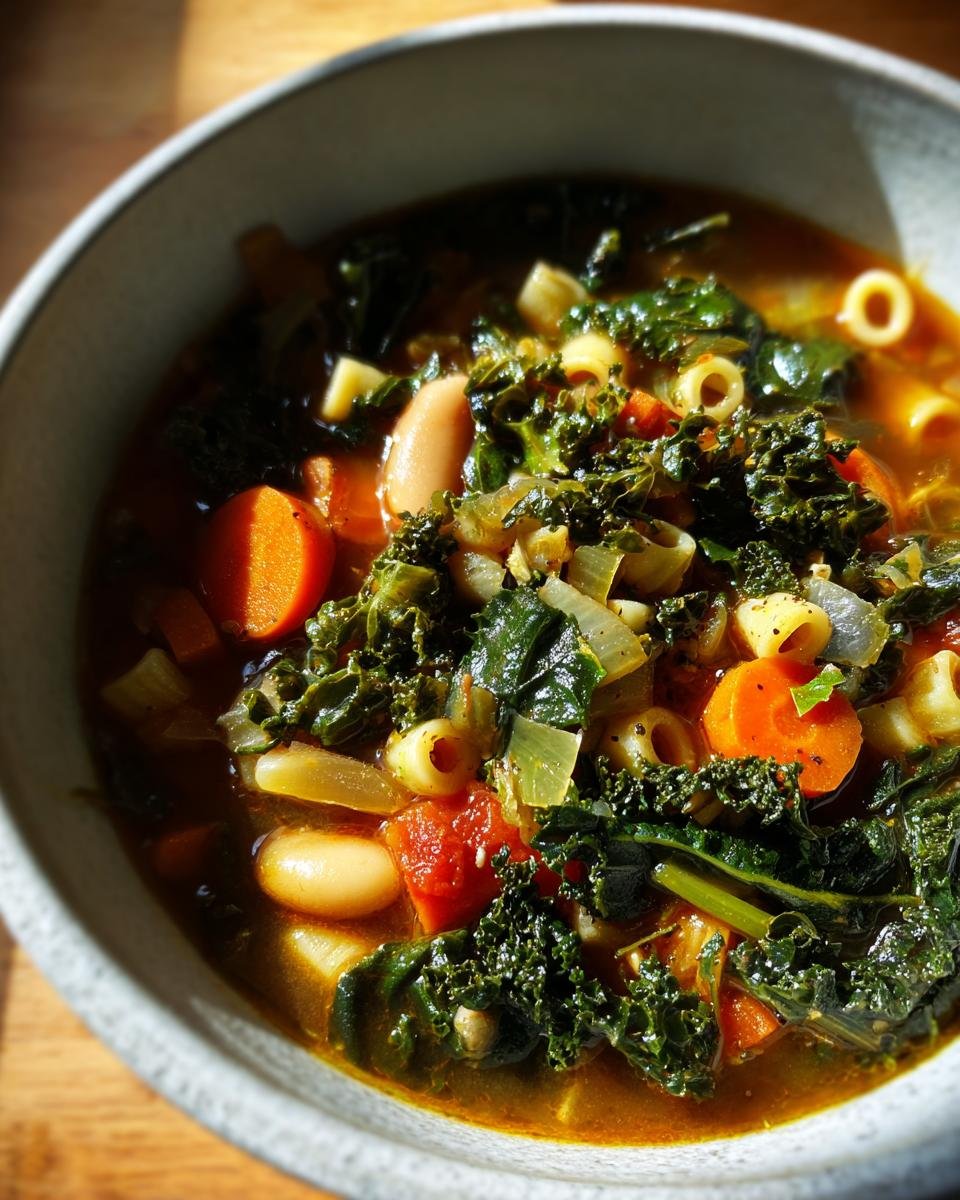
Tips for Success When Making Winter Minestrone Vegetable Soup
Making a good minestrone is easy, but making a *great* one that truly sings on a cold night takes just a couple of tricks I learned the hard way. I swear, my first batch of this soup was borderline tragic. I used watery canned broth and overcooked the pasta until it dissolved into mush. Never again!
First tip: Taste your broth *before* you add the salt and pepper at the end. If you get a low-sodium broth, you’ll need to season heavily, but a high-quality, flavorful broth means you use less salt overall. It just tastes cleaner, you know?
Second, and this is crucial for texture control: Don’t cook your pasta completely in the pot if you think you’ll have leftovers. If you’re planning on having this for lunch the next day, cook the pasta one minute *less* than package directions. Pasta slurps up liquid like a sponge when it sits overnight. If you have leftovers, you’ll just stir in an extra splash of broth when reheating. Check out my recipe for sausage, potato, spinach, and carrots soup for another great way to handle hearty vegetables!
If you follow those two things—good broth and careful pasta timing—you’ll have perfect texture every single time.
Serving Suggestions for Your Winter Minestrone Vegetable Soup
Okay, the soup is done, it smells incredible, and now it’s time for the best part—eating it! This Winter Minestrone Vegetable Soup is fantastic all on its own, but honestly, it begs for some good additions to make it truly spectacular.
You absolutely must have crusty bread. I mean it! You need something sturdy to soak up every last bit of that herby broth. If you don’t have any on hand, maybe give my Italian pizza dough recipe a go sometime and just bake it into rustic breadsticks instead of pizza! Also, before you bring the bowls to the table, finish each serving with a generous grating of Parmesan cheese—it adds that salty, complex bite. And don’t forget a light, fancy drizzle of really good olive oil right on top!
Storage and Reheating Instructions for Leftover Winter Minestrone Vegetable Soup
I always hope for leftovers because this Winter Minestrone Vegetable Soup tastes even better the next day once those flavors have really married up! You can store leftovers safely in the fridge for about three to four days in a sealed container. If you’re looking to keep it longer, it freezes like a dream!
When you dole it out into freezer bags or containers, leave a little headspace, because liquids expand when freezing, of course. Now, here is my big secret for reheating soups that have pasta, like this one: the pasta soaks up all the broth in the fridge. When you reheat it, you *have* to stir in an extra splash of broth or even just water. Otherwise, you end up with a dense, almost mushy casserole rather than a soup! If you need inspiration for other great leftovers, sometimes I make this right before trying out my Olive Garden copycat recipes!
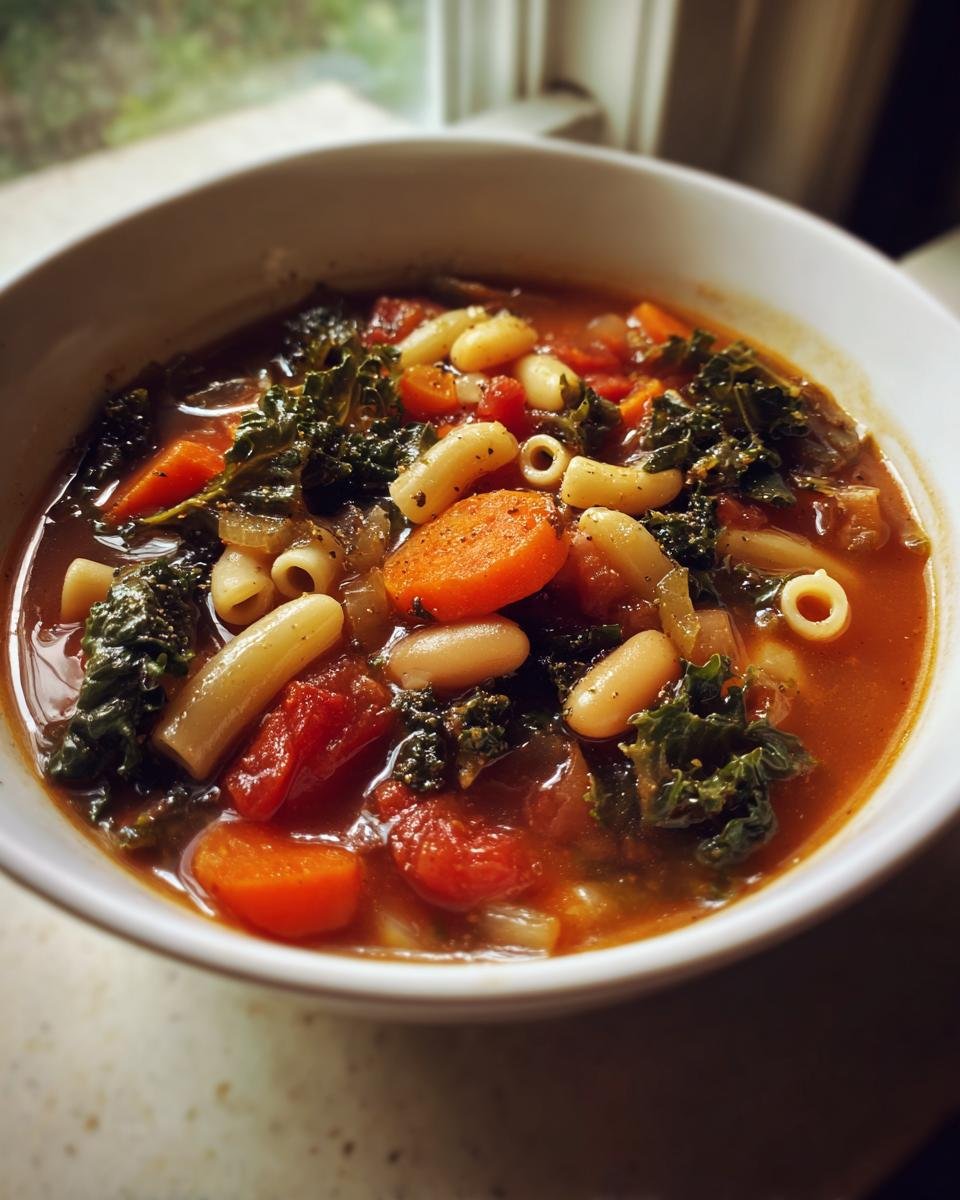
Frequently Asked Questions About Winter Minestrone Vegetable Soup
You know how it is—when you find a great recipe, you always have a few nagging questions before you dive in. I totally get it! People ask me all the time about meat and gluten when they look at this Winter Minestrone Vegetable Soup recipe. I’ve tried it a million ways over the years, so let me clear up the most common things I hear.
Can I add meat to this vegetable soup?
Oh, absolutely yes! While this is a fantastic vegetarian option, it handles meat beautifully if you’re feeling like you need more protein kick. My favorite way to make it heartier is to brown up about half a pound of mildly seasoned Italian sausage right when you’re sautéing the onions, carrots, and celery. Just drain off any excess grease before you add the broth. You could also toss in some leftover shredded rotisserie chicken right at the end with the greens! It transforms it into an amazing hearty soup without complicating the process much at all.
How do I make sure this Winter Minestrone Vegetable Soup is gluten-free?
That’s an easy fix, honestly! Since the only gluten element in here is the small amount of pasta, you can swap that out easily. Just use your favorite gluten-free small pasta shape, like GF elbows or tiny shells. The most important thing is checking the cooking time on the GF pasta box, because sometimes they break down faster than traditional wheat pasta. If you’re looking for other great one-pot meals that are easy to adapt, you should check out my one-pot macaroni cheeseburger soup recipe where I discuss substitutions!
My soup seems too thin. How can I make this bean soup richer?
This is a super common question, especially if you didn’t use the bean mashing trick while it was simmering! If you taste it at the end and it just feels a little too watery for your taste, don’t panic. Just scoop out about a cup of the soup (making sure you get some beans in there) and blend it really smooth in a blender—or just mash those beans against the side of the pot like I showed earlier in the instructions. Stir that creamy mixture back in. It thickens things up naturally without using weird starches! It gives the soup body and a richer mouthfeel, perfect for a cold night.
Estimated Nutritional Data for Winter Minestrone Vegetable Soup
Now, I know some of you are tracking macros or watching your sodium intake, which is smart! Knowing what’s in your bowl helps make sure this Winter Minestrone Vegetable Soup fits into your eating plan. Remember, since this is a homemade recipe using fresh vegetables, these numbers are just estimates based on the ingredients I list here. Your garden-fresh carrots or the sodium level in your preferred broth will make them shift a tiny bit, so take this as a great guideline!
Here is the general breakdown per 1.5 cup serving:
- Serving Size: 1.5 cups
- Calories: Around 250
- Fat: Roughly 5 grams (only about 1 gram saturated fat, which is great!)
- Protein: A solid 12 grams, thank you, cannellini beans!
- Carbohydrates: About 42 grams
- Fiber: A whopping 9 grams—that’s excellent for keeping you full!
- Sugar: Around 7 grams
- Cholesterol: Zero, because we are heart-healthy here!
- Sodium: About 450 mg (This is the one to watch if you are sensitive; using low-sodium broth helps cut this down!)
It’s a truly satisfying soup that packs a nutritional punch without weighing you down. It’s proof that comfort food can absolutely be healthy!
Share Your Experience Making This Winter Minestrone Vegetable Soup
Okay, now the pot is empty, the bowls are clean, and you’ve had that amazing warm feeling that only a perfect bowl of Winter Minestrone Vegetable Soup can deliver!
I am so incredibly excited for you to try this, and I really want to hear how it turned out on your dinner table! Did you add spicy sausage? Did you use amazing fresh zucchini from the farmer’s market that I didn’t think of? Spill the beans in the comments below!
Please, if you loved how quickly this came together on a cold night, take a second to leave a star rating—it helps other folks find this recipe when they are freezing and hungry! If you tried a fun variation, like adding potatoes or using a different type of bean, let us all know so we can try it next time too. Cooking is a community effort, right?
When you’re looking for another amazing, comforting soup to try next time, check out my thoughts on making homemade wonton soup; it’s another fantastic one-pot wonder!
Print
Winter Minestrone Vegetable Soup
- Total Time: 45 min
- Yield: 6 servings 1x
- Diet: Vegetarian
Description
A hearty vegetable soup featuring seasonal winter ingredients.
Ingredients
- 1 tablespoon olive oil
- 1 medium onion, chopped
- 2 carrots, chopped
- 2 celery stalks, chopped
- 2 cloves garlic, minced
- 6 cups vegetable broth
- 1 (14.5 ounce) can diced tomatoes, undrained
- 1 (15 ounce) can cannellini beans, rinsed and drained
- 1 cup chopped kale or spinach
- 1/2 cup small pasta (like ditalini or small shells)
- 1 teaspoon dried oregano
- 1/2 teaspoon dried basil
- Salt and black pepper to taste
Instructions
- Heat olive oil in a large pot or Dutch oven over medium heat.
- Add onion, carrots, and celery. Cook until softened, about 5 to 7 minutes.
- Stir in garlic and cook for 1 minute more until fragrant.
- Pour in vegetable broth and diced tomatoes. Bring the mixture to a boil.
- Add cannellini beans, oregano, and basil. Reduce heat and simmer for 10 minutes.
- Add pasta and cook according to package directions until tender.
- Stir in kale or spinach during the last 2 minutes of cooking until wilted.
- Season with salt and pepper before serving.
Notes
- For a thicker soup, mash about 1/4 cup of the beans against the side of the pot before adding the rest.
- Use any firm winter vegetables you have, such as cubed butternut squash or parsnips.
- Grate Parmesan cheese over individual servings if desired.
- Prep Time: 15 min
- Cook Time: 30 min
- Category: Soup
- Method: Stovetop
- Cuisine: Italian-American
Nutrition
- Serving Size: 1.5 cups
- Calories: 250
- Sugar: 7
- Sodium: 450
- Fat: 5
- Saturated Fat: 1
- Unsaturated Fat: 4
- Trans Fat: 0
- Carbohydrates: 42
- Fiber: 9
- Protein: 12
- Cholesterol: 0
Keywords: winter minestrone, vegetable soup, hearty soup, bean soup, easy soup, weeknight dinner