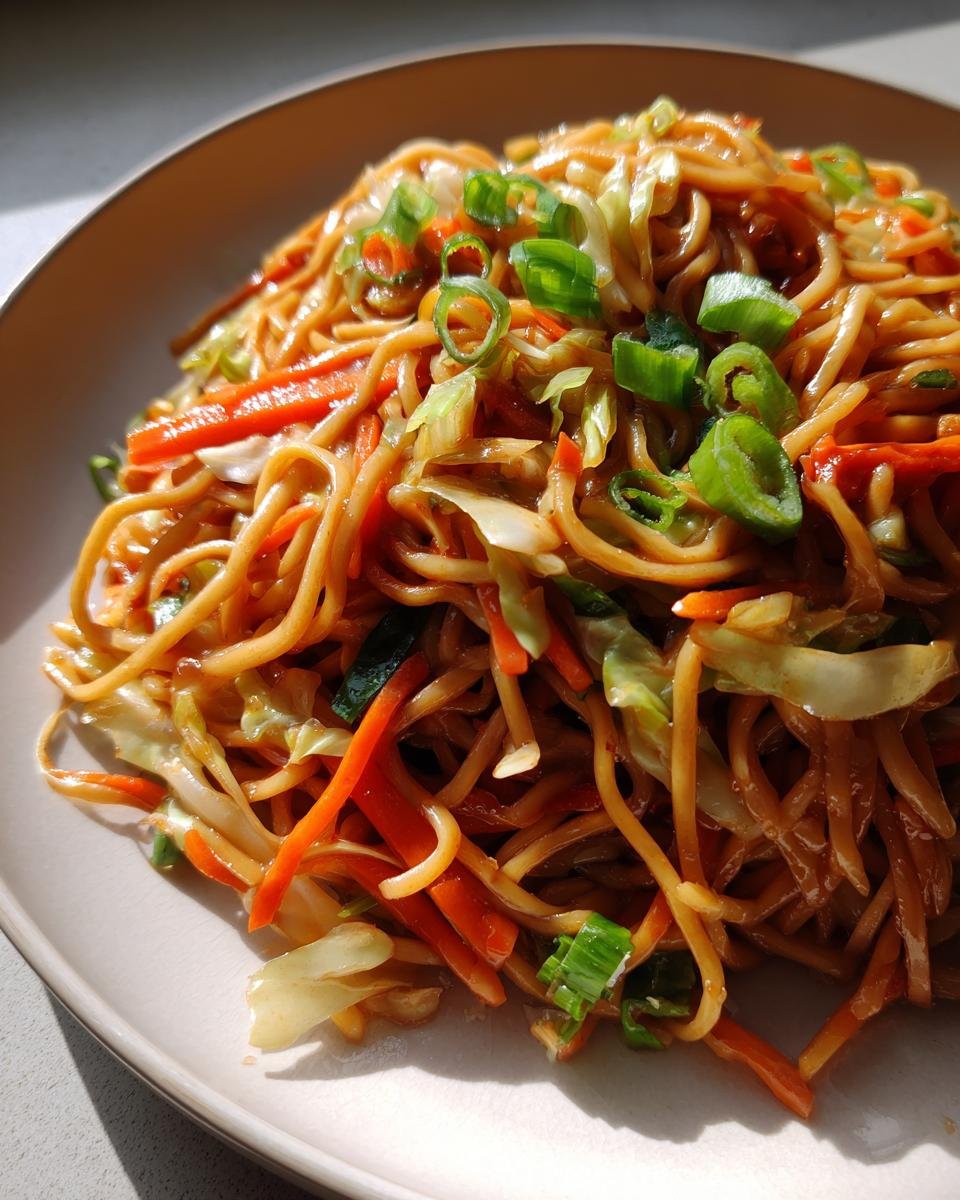
Oh man, do you ever get that specific, undeniable craving for late-night takeout noodles? That slightly sweet, perfectly savory smell that fills your kitchen? I used to drive across town just for a side of those perfectly stir-fried noodles. But I’m here to tell you, you don’t need to anymore! I spent what felt like years tweaking my wok to nail the texture and flavor profile that makes everyone obsessed with Panda Express Chow Mein. Trust me, this straightforward recipe gets you that signature taste in about 25 minutes flat. It’s seriously my go-to weeknight win when I’m feeling lazy but need that umami hit.

Why This Panda Express Chow Mein Recipe is Your New Favorite
I know you’ve got a million noodle recipes knocking around, but this one is genuinely different. It’s designed for speed and total flavor replication. You’ll be stunned how close this gets to the takeout version without all the fuss.
- It’s incredibly fast! We’re talking 15 minutes of actual cooking time, so it beats any delivery wait time.
- The sauce ratio is spot on—that balance of soy and oyster sauce is foolproof every time.
- You can whip up a huge batch! It’s fantastic for busy weeknights when you need volume fast.
- If you want to jazz this up later, I have a fantastic veggie stir-fry recipe you can check out for inspiration on adding more crunch! See my tips for veggie noodles here.
Ingredients for Authentic Panda Express Chow Mein
Okay, let’s get these components ready. Getting the veggies chopped right actually makes a huge difference in texture, so don’t rush this prep work! We need just the basics to nail that familiar taste, but precision on the amounts is key here.
- 12 oz chow mein noodles—make sure you cook these according to the package directions until they are just tender, not gummy! Drain them really well and set them out.
- 2 tablespoons vegetable oil—you need something with a high smoke point for that wok action.
- 1 cup white cabbage, finely shredded. You want thin strips, not big chunks!
- 1/2 cup carrots, sliced thinly on a diagonal.
- 1/2 cup celery, sliced thinly.
- 1/4 cup green onions, chopped—we’ll use most of this for stirring in but save a little pinch for garnish later.
- 2 tablespoons soy sauce—low sodium is my pick, but use what you have!
- 1 tablespoon oyster sauce—don’t skip this! It’s the flavor secret weapon.
- 1 teaspoon sesame oil—this goes in right at the end, trust me.
If you happen to be whipping up some chili garlic sauce to go alongside this, maybe for dipping or adding a little kick, you should check out my recipe for the best homemade chili garlic. It’s fantastic!
Ingredient Notes and Substitutions for Perfect Panda Express Chow Mein
When it comes to noodles, you really want those wavy, medium-thick egg noodles if you can find them; they hold up best under high heat. Don’t substitute the oyster sauce if you can help it—it brings that deep savory flavor we’re chasing here. If you are making this vegetarian or vegan, make sure your oyster sauce is mushroom-based. For the soy sauce, low-sodium is generally best so you can control the saltiness when you taste test!
Step-by-Step Instructions to Master Panda Express Chow Mein
This is where the magic happens, folks! You’ve got your station prepped, your veggies ready to go, and your noodles drained. The key to amazing stir-fry is momentum. Have everything next to the stove because once you start, it moves fast. You don’t want anything sitting around getting soggy.
- First things first: take those cooked chow mein noodles—make sure they are well-drained!—and just set them aside for a moment. They’ll jump into the wok soon enough.
- Grab your biggest skillet or, even better, your wok! Heat up that 2 tablespoons of vegetable oil over medium-high heat until it starts shimmering slightly. We need that heat!
- Toss in your veggies: the cabbage, the carrots, and the celery. Now, this is important: stir-fry these for exactly 3 to 4 minutes. You want them tender-crisp, not mushy. If you’re using a wok, keep everything moving constantly so you get a little bit of char—that’s the flavor you’re looking for!
- Now, throw those pre-cooked noodles right into the skillet with the hot vegetables. Don’t be shy!
- Drizzle in the soy sauce and the oyster sauce over everything. This is where you need to move quickly. Toss, flip, and stir constantly to make sure every single noodle strand gets kissed by that dark, flavorful sauce.
- Keep cooking for another 2 minutes while you toss, making sure the noodles heat all the way through. Taste a noodle now! If you feel like you need a little more kick, this is the time to add a dash more soy sauce, though be careful with the salt!
- Take it off the heat immediately. Right when you pull it away from the burner, drizzle that teaspoon of sesame oil over the top and give it one last good toss. That fresh sesame aroma is incredible!
- Serve your Panda Express Chow Mein super fast, garnished with those chopped green onions you saved. If you want to see how I make a super flavorful fried rice to go alongside this, check out my fried rice post!
Pro Tips for Achieving Restaurant-Quality Panda Express Chow Mein Texture
Honestly, the difference between sad home noodles and take-out quality is all about the heat. You absolutely must use medium-high heat or higher for the entirety of the stir-frying process. If your heat is too low, the vegetables steam instead of searing, and your noodles get gluey. Keep everything moving—don’t let the noodles sit still in the pan for more than a few seconds at a time. When you add the sauces, they need to coat quickly and evaporate slightly, which only happens when the pan is screaming hot!
Variations for Your Homemade Panda Express Chow Mein
The base recipe is fantastic on its own, especially if you’re keeping it vegetarian, but sometimes you just need more substance, right? That’s where simple additions come in handy. You can easily beef this up into a full meal! Cooked protein is your best friend here. I often toss in some shredded cooked chicken or maybe some quick-seared shrimp right when the noodles go in, which means the protein picks up all that delicious sauce flavor.
If you are sticking to veggies, don’t be afraid to experiment with texture! Sliced mushrooms stir-fry beautifully alongside the cabbage, or throw in a handful of fresh bean sprouts right at the very end for an extra pop of crunch. If you like a bit more green in your stir-fry, you might enjoy the additions they use in my chicken and broccoli guide—feel free to borrow those ideas!
Serving Suggestions for Your Panda Express Chow Mein
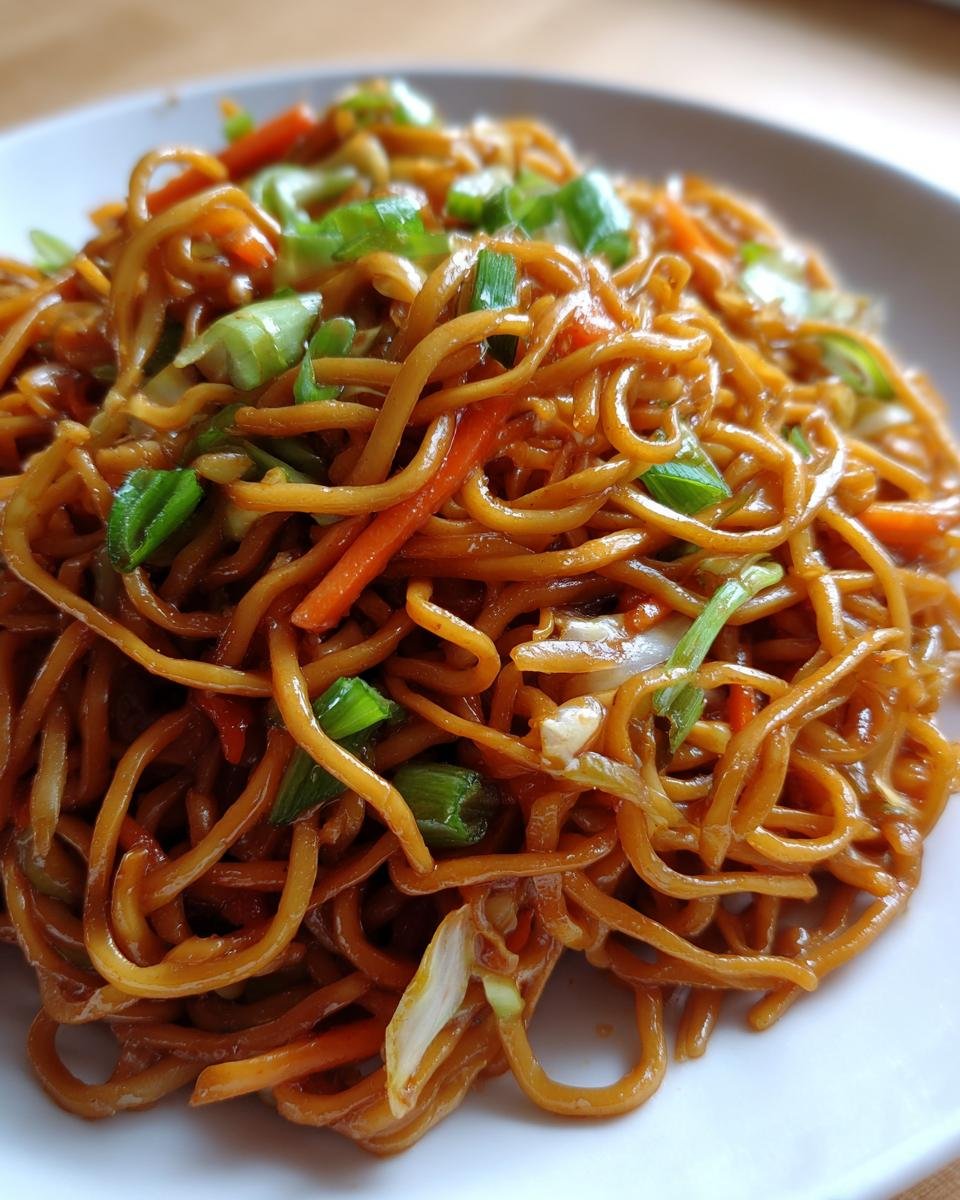
Now that you’ve nailed the perfect side of chow mein, you need some main dishes to stack up next to it on the plate! This noodle dish pairs flawlessly with almost any Chinese-American classic. I usually make a big batch of these noodles alongside something saucy so they can soak up all the extra goodness.
Think about pairing up your Panda Express Chow Mein with crispy orange chicken or maybe some savory beef and broccoli. If you want something light to start, you absolutely have to try a bowl of hearty homemade wonton soup. It just completes the whole experience, doesn’t it? You can find my simple wonton recipe right here—it’s easier than you think!
Storage and Reheating Instructions for Leftover Panda Express Chow Mein
Don’t you hate it when leftover stir-fry turns into sad, mushy clumps the next day? We are going to prevent that disaster! For the best results, store your extra chow mein in a shallow, airtight container. This helps cool it down quickly, which locks in flavor and texture naturally. It should keep great for about three days in the fridge.
When it’s time to reheat, please, please put down the microwave for a minute! The microwave always steams the noodles and makes them tough or soggy. Instead, use a skillet or a wok again over medium heat. Splash in just a tiny bit—maybe a teaspoon—of water or chicken broth. Toss vigorously while heating until everything is warmed through and the noodles loosen up again. It tastes almost brand new this way!
Frequently Asked Questions About Panda Express Chow Mein
I always get questions when people try this recipe for the first time, mostly about the noodles since that texture is so specific. I tried to keep this recipe simple, but sometimes little adjustments make all the difference for your specific setup!
Can I use dried noodles instead of fresh for this Panda Express Chow Mein?
Absolutely, you can use the dried chow mein noodles that come in a block! Since they aren’t pre-steamed like the fresh ones, you’ll need to boil them a little longer—maybe an extra minute or two past what the package says. The real trick is to rinse them under cold water immediately after draining. This stops the cooking process and washes off the excess starch, which is crucial so they don’t turn into one giant sticky clump when they hit the hot wok later on!
What makes the vegetable mix in Panda Express Chow Mein unique?
It’s all about simplicity and crunch! The ‘unique’ factor isn’t some crazy secret ingredient; it’s the classic trio: cabbage, carrots, and celery. They have slightly different cooking times, which is why the instructions say to stir-fry them for a solid three to four minutes first. That short blast of heat softens the carrots and cabbage just enough while leaving a pleasant, firm bite. If you’re planning to add some hearty beef and broccoli later, you can check out my beef recipe tips for how to handle those denser veggies!
Why do my noodles stick together when I stir-fry them?
This is usually one of two things! Either your pan or wok wasn’t hot enough when everything went in, or you didn’t use enough oil. If the pan is scorching hot, the sauce lightly caramelizes around the individual noodles instead of soaking in and gumming them up. Make sure you are using medium-high heat, waiting for that oil to shimmer, and keeping everything tossed constantly so no single noodle sits still long enough to fuse with its neighbor. Give it a try with high heat next time—you’ll see the difference!
Estimated Nutrition Facts for Panda Express Chow Mein
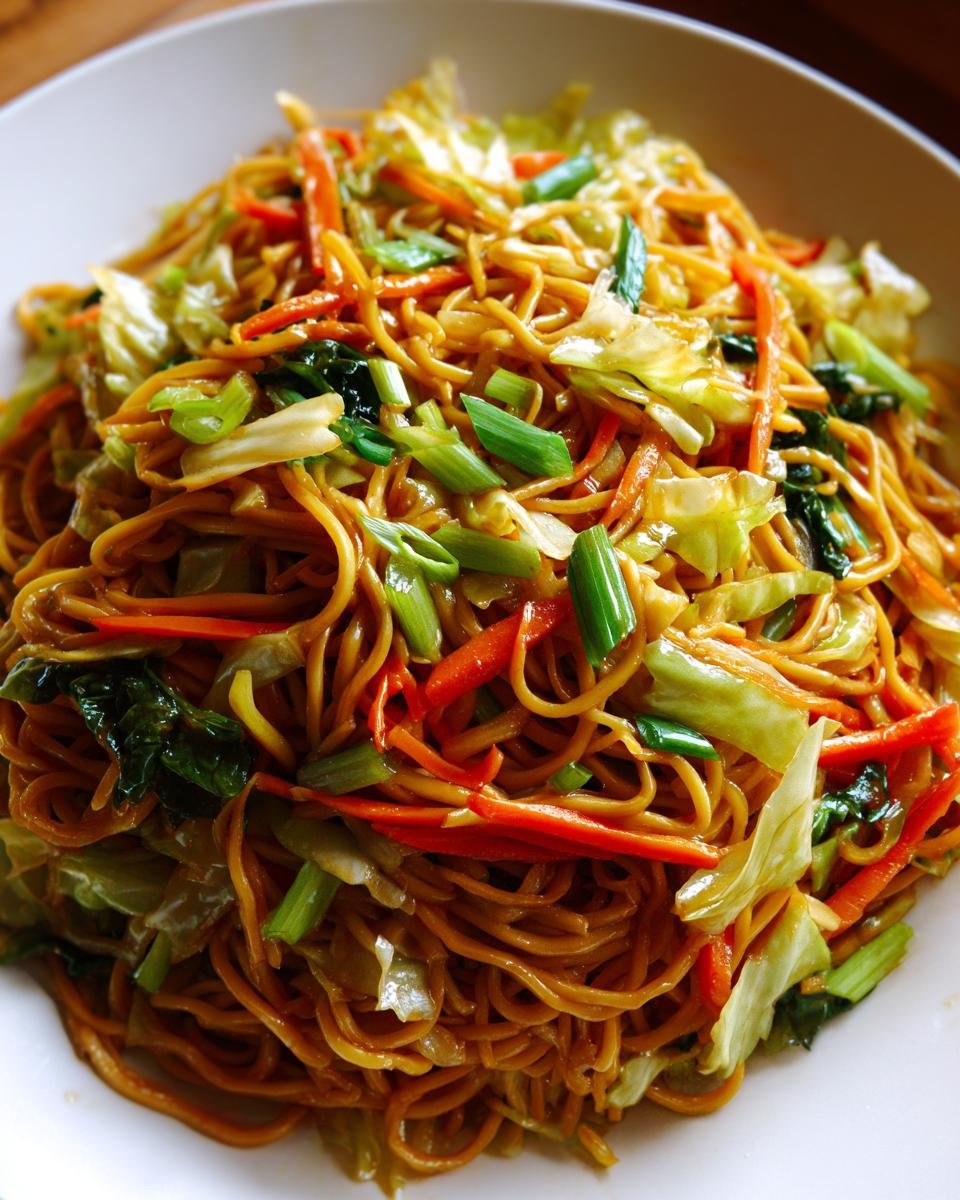
I always feel a little better eating something when I know generally what’s in it, even with something as comforting as our homemade chow mein! Remember, because our recipe is flexible—maybe you added extra broccoli or used a different brand of soy sauce—these numbers are only an estimate based on the base recipe ingredients. Don’t sweat the small stuff; it’s just a guideline!
- Calories: Approximately 350 per serving
- Fat: Around 10g
- Carbohydrates: About 55g
- Protein: Roughly 12g
- Sodium: This will vary widely based on your soy sauce choice!
This is a fantastic, quick main dish that satisfies that takeout craving without derailing your whole week. Enjoy it!
Share Your Homemade Panda Express Chow Mein Success
Alright, you’ve got the wok smoking and the noodles perfectly sauced! Now I need the juicy details! I’m dying to know how this turned out on your dinner table. Did you manage to get that great takeout char on the veggies?
Please, don’t be shy! Drop a comment below and let me know what you thought. Did you add shrimp or chicken? Did you find the perfect brand of oyster sauce? Five stars? One star? I want to hear everything—it helps me keep making this recipe better for everyone.
And hey, if you snap a picture of your gorgeous, steaming batch of noodles, please tag me on social media! Seeing my recipe come to life in your kitchen is honestly the best part of doing this. Happy cooking, and I can’t wait to see your incredible stir-fries!
Print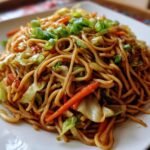
Simple Chow Mein
- Total Time: 25 min
- Yield: 4 servings 1x
- Diet: Vegetarian
Description
A straightforward recipe for making chow mein noodles similar to a popular fast-food style.
Ingredients
- 12 oz chow mein noodles
- 2 tablespoons vegetable oil
- 1 cup shredded cabbage
- 1/2 cup sliced carrots
- 1/2 cup sliced celery
- 1/4 cup chopped green onions
- 2 tablespoons soy sauce
- 1 tablespoon oyster sauce
- 1 teaspoon sesame oil
Instructions
- Cook the chow mein noodles according to package directions until tender. Drain well and set aside.
- Heat the vegetable oil in a large skillet or wok over medium-high heat.
- Add the cabbage, carrots, and celery to the skillet. Stir-fry for 3 to 4 minutes until vegetables soften slightly.
- Add the cooked noodles to the skillet with the vegetables.
- Pour the soy sauce and oyster sauce over the noodles and vegetables. Toss everything together to coat evenly.
- Cook for another 2 minutes, stirring constantly, until the noodles are heated through.
- Remove from heat. Stir in the sesame oil.
- Serve immediately, garnished with green onions.
Notes
- For a richer flavor, use low-sodium soy sauce.
- You can add cooked chicken or shrimp for extra protein.
- Prep Time: 10 min
- Cook Time: 15 min
- Category: Main Dish
- Method: Stir-Frying
- Cuisine: Chinese-American
Nutrition
- Serving Size: 1 serving
- Calories: 350
- Sugar: 5
- Sodium: 750
- Fat: 10
- Saturated Fat: 1.5
- Unsaturated Fat: 8.5
- Trans Fat: 0
- Carbohydrates: 55
- Fiber: 4
- Protein: 12
- Cholesterol: 0
Keywords: chow mein, noodles, stir fry, cabbage, carrots, easy asian recipe