
Oh my goodness, if there is one sweet in this entire world that just screams celebration and pure happiness, it has to be something drenched in glowing syrup, right? Indian desserts have this incredible way of just melting away your worries, and believe me, I have spent years chasing that perfect bite.
I used to think making authentic Gulab Jamun from scratch was this super complicated, almost impossible task reserved for professional chefs. I ruined batches, I burned oil, I got lumpy dough—you name it, I did it! But I stuck with it because that combination of soft, milk-solid balls soaking up warm, spiced syrup is just heavenly. Trust me when I say that after many attempts, I finally cracked the code on keeping them crack-free and perfectly spongy. This is my tried-and-true, genuinely simple guide to making the most melt-in-your-mouth Gulab Jamun you’ve ever tasted at home. For other special treats, check out my guide to decadent desserts!
Why This Simple Gulab Jamun Recipe Works (Expert Tips)
I know you’ve seen complicated recipes out there, but honestly, keeping things simple is what makes this Gulab Jamun recipe reliable. We aren’t trying to reinvent anything, just perfect the classics!
- The secret is definitely the low and slow frying—no rushing allowed!
- We keep the dough manageable so you get those perfect spheres.
- This method ensures maximum syrup absorption.
You can see how my grandmother always stressed the basics in the best vintage dessert recipes.

Key Components for Perfect Gulab Jamun
For the best Gulab Jamun, you absolutely must start with freshness. I always recommend fresh khoya if you can find it; it just gives the balls that authentic melt-in-your-mouth quality. If you can’t find good khoya, don’t panic! You can fake it by mixing milk powder with just enough milk and butter to form a workable dough.
The main thing is that dough consistency—smooth but not sticky. Seriously, treat that dough gently!
Ingredients Needed for Authentic Gulab Jamun
Okay, let’s get down to brass tacks. Having the right supplies means less stress later! This ingredient list for the absolute best Gulab Jamun might look simple, but every item plays a crucial role in that perfect texture. Don’t skimp on the spices—they make the whole experience magical.
You’ll need:
- 1 cup Khoya (milk solids—remember, fresh is best!)
- 1/4 cup All-purpose flour (Maida)
- 1 teaspoon Baking soda
- 1 tablespoon Ghee, melted
- Oil for deep frying (we need enough for serious submerging)
- 1 cup Sugar
- 1 cup Water
- 1/2 teaspoon Cardamom powder
- A few strands of Saffron
If you’re curious about making creamy fillings for other desserts, check out my suggestions on four cream recipes ideal for fillings! Having good fats ready is always a winner in baking.
Preparing the Sugar Syrup for Your Gulab Jamun
Now, before we even think about making those little dough balls, we have to focus on the star that receives them: the syrup! This part is crucial because our Gulab Jamun needs to swim in warmth to soak up all that fragrant sweetness. You can actually start this step first, let it cool slightly, and just reheat it right before the frying is done.
Grab a separate pan—nothing fancy needed—and toss in your sugar and water. Next, we need the flavor makers: the cardamom powder and those precious saffron strands. You heat this mixture up, but here’s the deal: you only heat it until the sugar crystals are completely gone. We are making a thin syrup here, not a hard candy base, so don’t let it get thick!
Stir it gently until it’s perfectly clear. Once the sugar dissolves, turn the heat off, but keep that syrup warm, not boiling hot, not fridge cold. I mean just slightly warm to the touch. If you want to see my basic technique for simple syrups in general, I walk through it in my simple syrup recipe post. A warm bath is exactly what every single one of these delicious Gulab Jamun spheres is waiting for!
Step-by-Step Instructions for Making Gulab Jamun Dough
This is where we stop dreaming and start doing! Making the dough for Gulab Jamun is really quick, but you have to listen to your ingredients. Grab that 1 cup of khoya and put it in a nice mixing bowl. Next, gently add in your flour and that tiny bit of baking soda—that soda is what gives us a little lift!
Now for the secret helper: the melted ghee. Start bringing everything together with your fingertips. The most important thing I can tell you is this: stop mixing the second it comes together into a soft, smooth dough. If you knead this like bread, you’ll develop gluten, and your balls will turn out hard. We want softness! For more tips on getting textures right for baked goods, you might peek at my chocolate chip cookie guide.
Rolling the Gulab Jamun Balls Perfectly
Once you have that beautifully soft dough, divide it up into small, equal bits. I usually aim for about the size of a small marble or maybe a large grape. You need patience here because your goal is super smooth surfaces!
Roll each piece between your palms until it’s completely free of cracks. If you see even one little split, that spot is going to explode when it hits the hot oil! Just patch it up and roll again until every single little Gulab Jamun sphere is flawless and uniform. Practice makes perfect!
The Crucial Technique: Frying Your Gulab Jamun
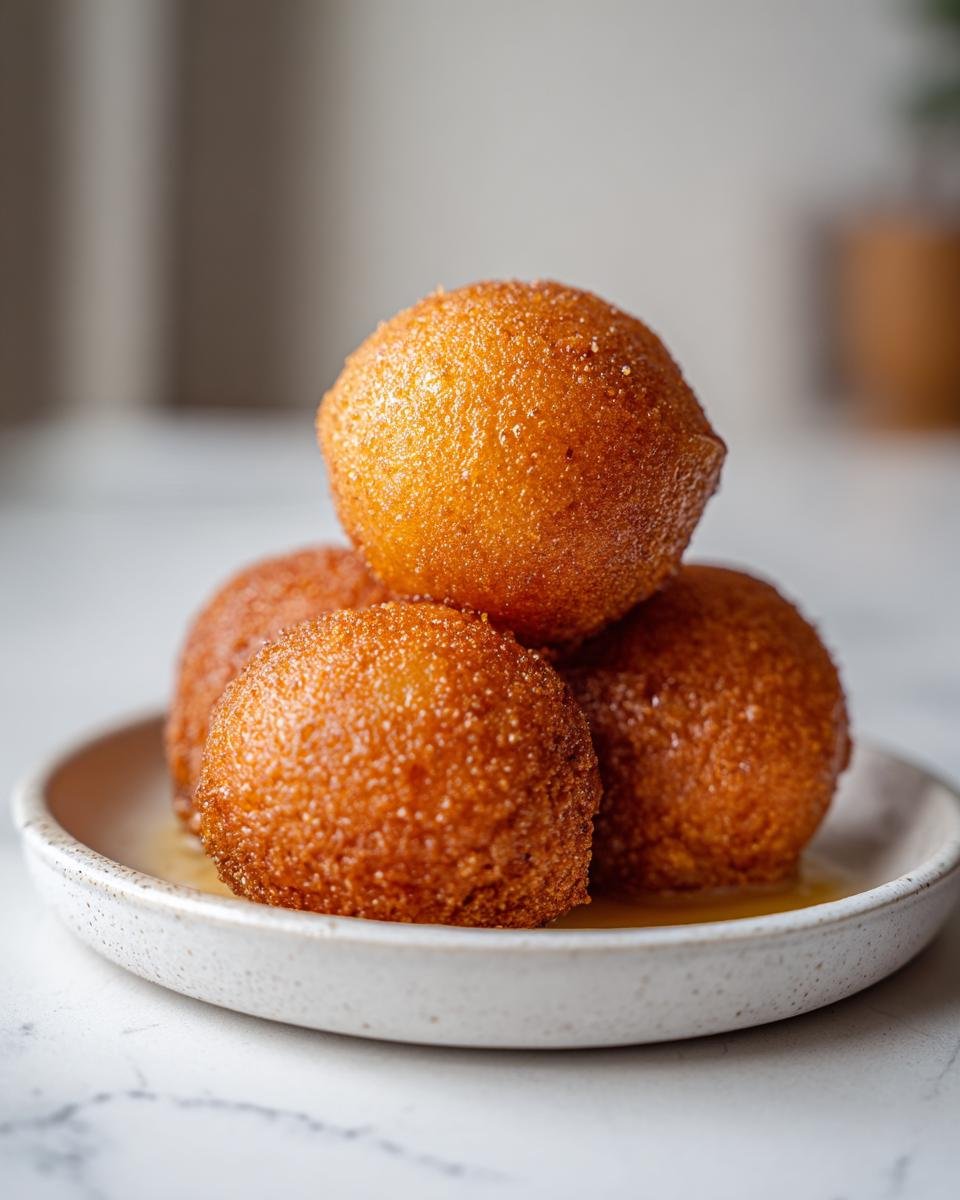
Okay, deep breaths everyone, because this frying stage is where a lot of people accidentally ruin their amazing Gulab Jamun dough. We need low heat—I really mean lukewarm, starting at a medium-low setting. If you drop those delicate balls into fiercely hot oil, the outside will instantly brown and look gorgeous, but the inside will stay raw dough. Nobody wants a raw center, trust me!
Gently slide your smooth balls into the oil. Don’t crowd the pan! They need room to spread a little. I use a wire skimmer to turn them very, very slowly and occasionally. You aren’t scrambling eggs; you are gently rolling these babies around so they color evenly on all sides. This slow, languid frying process is what ensures they cook all the way through until the center is perfectly cooked.
Watch the color—aim for that deep, beautiful golden brown, almost mahogany shade. It takes time, maybe 12 to 15 minutes depending on your stove, but patience here is what separates a good Gulab Jamun from the legendary ones. I often refer back to my notes on deep frying, like when I’m making crispy fried chicken; the low-and-slow philosophy is the same for achieving that perfect inner texture!
Soaking the Gulab Jamun in Syrup
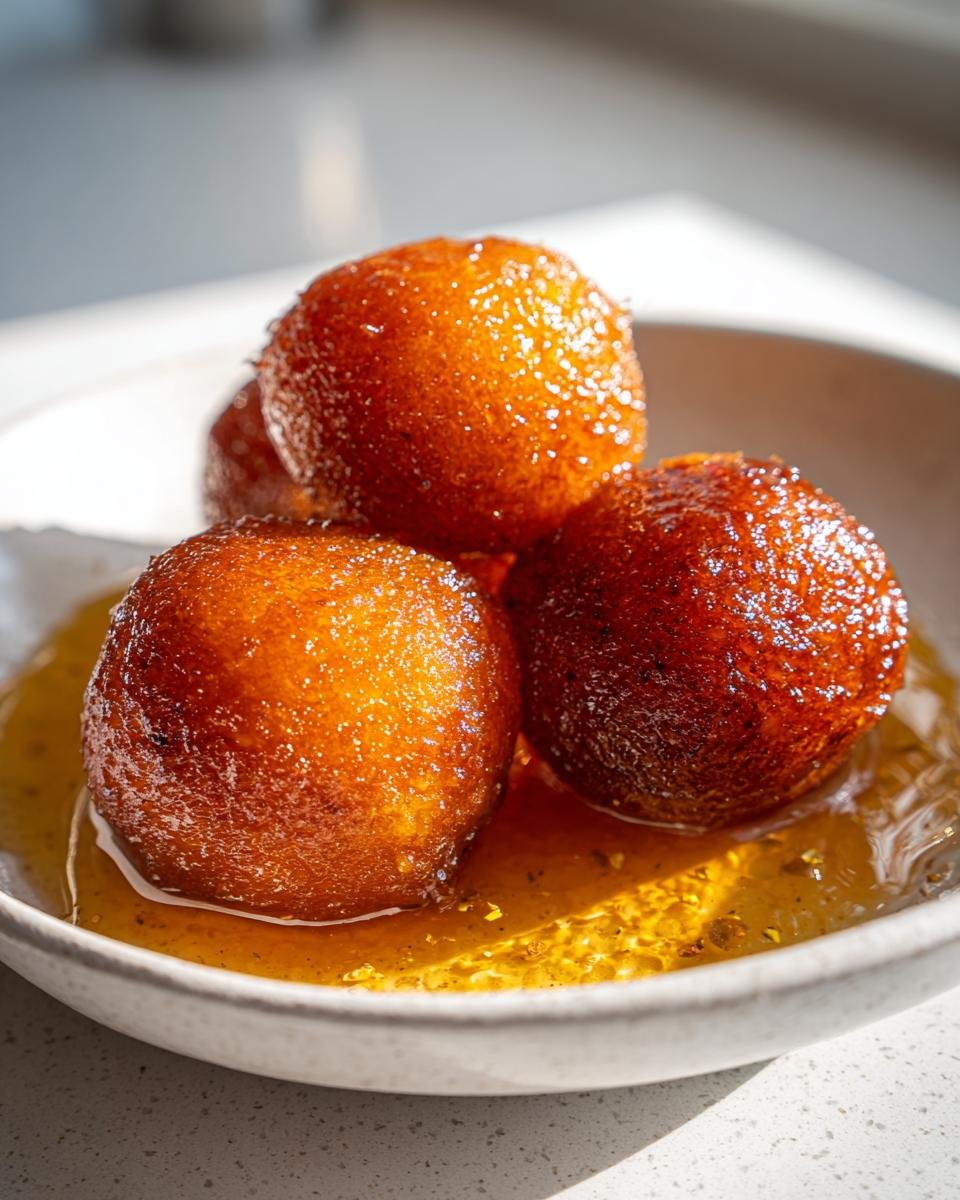
Okay, the moment of truth! Once those beautiful, golden-brown Gulab Jamuns are perfectly fried, you need to transfer them immediately. Take them right out of the oil—let any excess drip off for just a second—and drop them straight into that warm sugar syrup we made earlier. They need to be hot when they meet the syrup!
This is where the magic truly happens. They will start sucking up the cardamom and saffron scented liquid like little sponges. Don’t even peek! You have to let these sweets soak for a minimum of two hours. If you can resist and wait until the next day? Even better! That extra time guarantees maximum flavor absorption for the ultimate texture in your Gulab Jamun.
For a fun pairing idea while you wait, check out some serving thoughts on my delicious cookies for a bake sale post—you’ll have plenty to snack on!
Storage and Serving Suggestions for This Indian Sweet
Now that you’ve made the most incredible Gulab Jamun, you probably have leftovers unless your family consists of about fifty people! Good news—they keep wonderfully. You should definitely store any extra jamuns in the syrup, covered tightly, right in the refrigerator. They actually get denser and somehow even sweeter overnight. Fantastic, right?
When you want to eat the chilled ones, I recommend taking them out about 30 minutes beforehand. If you want them warm again, never microwave them! Just gently warm the syrup and the balls together in a small, heavy-bottomed pan over very low heat. Don’t boil them, just bring them back to a pleasant warmth.
For serving, honestly, they are amazing plain, straight out of the syrup. But if you want to elevate this classic Indian sweet, try serving them with a small scoop of vanilla bean ice cream. The contrast between the hot, sweet jamun and the melting cold ice cream is just heavenly. Or, for something creamy, a dollop of fresh whipped cream works wonders. Check out my thoughts on creamy coconut nut pie toppings—whipped cream is always a winner!
Frequently Asked Questions About Making Gulab Jamun
I always get a flood of questions after people try this recipe because, let’s be honest, fried dough soaks in syrup can be tricky! Don’t sweat it if you run into a snag; we’ve all been there when trying to perfect this beloved Indian sweet. I’ve gathered the most common queries I get about getting truly spectacular Gulab Jamun.
When is the absolute best time to eat Gulab Jamun?
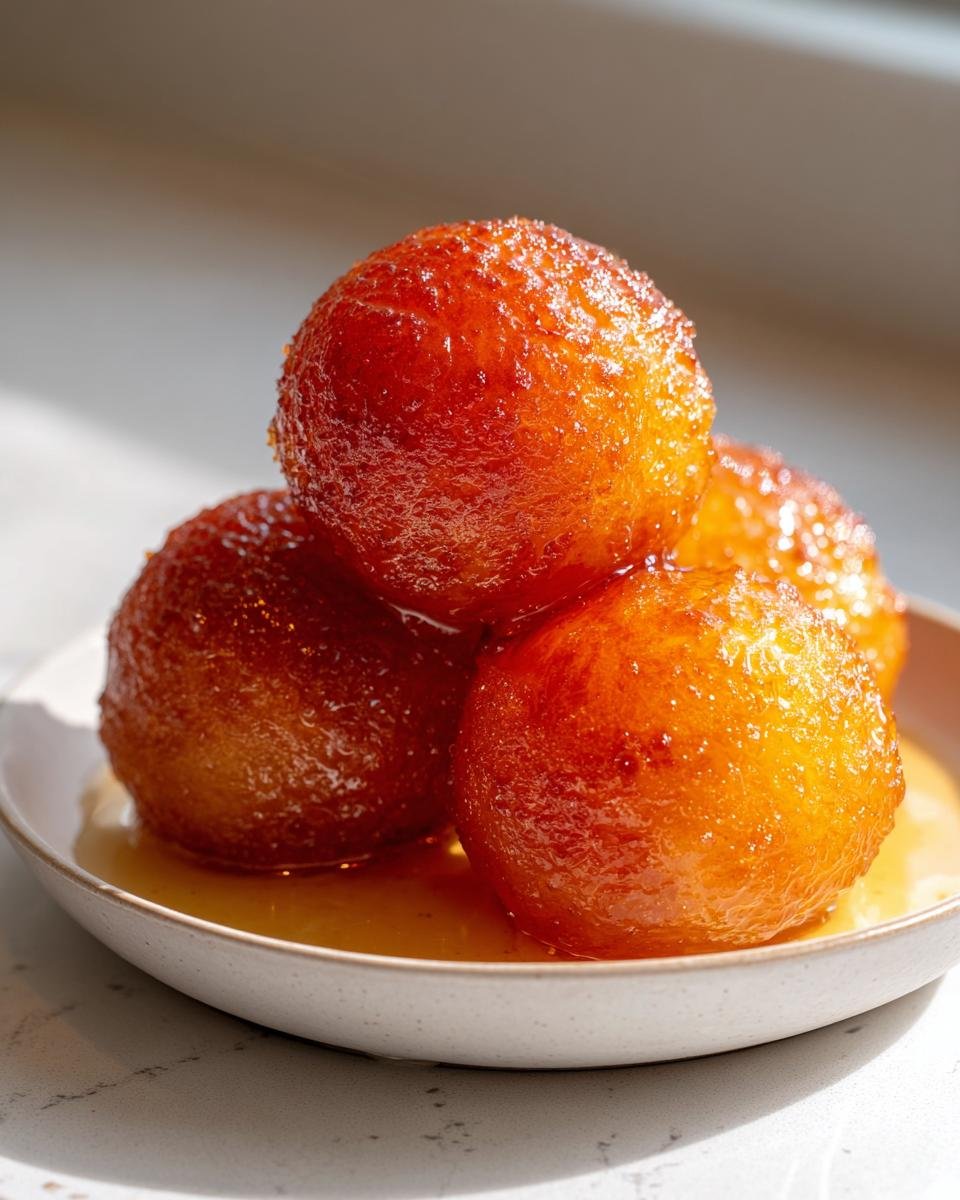
This is the fun part! While you *can* eat them after the minimum two-hour soak, I firmly believe Gulab Jamun tastes miles better the next day. Seriously, let those little guys sit overnight in the syrup. They absorb so much more flavor and become unbelievably soft. They are fantastic warm, but they are equally divine straight out of the fridge!
Why did my Gulab Jamun balls break while frying?
Ugh, there is nothing more heartbreaking than watching your hard work dissolve! Nine times out of ten, this happens for one of two reasons. Either you’ve added a little too much flour (Maida) which makes the dough stiff and prone to cracking, or your oil temperature was wildly off. If the oil is too hot, the outside sets too fast and cracks open immediately. If it’s too cold, they might just fall apart slowly. Remember, we want that medium-low, gentle frying heat!
Can I skip the khoya and just use milk powder?
You totally can, and that’s why I included that tip! While traditional Gulab Jamun relies on khoya, if you can’t find it or it’s not fresh, using powdered milk mixed with butter and just enough milk to form a dough is a fantastic substitute. It still gives you that necessary milk solid base needed for the right texture once fried.
Is it okay if my sugar syrup gets thick?
Yes, but not ideal for this recipe! For Gulab Jamun, you want a thin syrup, almost watery, so the balls can soak it up thoroughly. If you boil it down too much, you get a thick coating instead of a deep soak, and that leaves you with hard centers. Just dissolve the sugar and keep it warm!
If you are looking for other easy baking success stories, check out my tips for easy-to-make dump cakes—sometimes simple wins!
Nutritional Estimates for This Classic Dessert
Okay, let’s talk energy content. Since these are deep-fried and drenched in sugar syrup, they are definitely a wonderful treat, not an everyday snack! These figures are just estimates, mind you, based on standard portion sizes for Gulab Jamun.
For a standard serving size of about two pieces, you are looking at approximately 250 calories, with about 30 grams of sugar and 12 grams of fat. They offer roughly 4 grams of protein. Dive in and enjoy the richness!
Nutritional Estimates for This Classic Dessert
Okay, let’s talk energy content. Since these are deep-fried and drenched in sugar syrup, they are definitely a wonderful treat, not an everyday snack! These figures are just estimates, mind you, based on standard portion sizes for Gulab Jamun.
For a standard serving size of about two pieces, you are looking at approximately 250 calories, with about 30 grams of sugar and 12 grams of fat. They offer roughly 4 grams of protein. Dive in and enjoy the richness! If you’re cutting back on sugar, you might want to check out my thoughts on the surprising sugar content of fruits for lighter alternatives!
Print
Simple Gulab Jamun Recipe
- Total Time: 45 min
- Yield: 15 servings 1x
- Diet: Vegetarian
Description
A recipe for making traditional Indian sweet, Gulab Jamun, from milk solids.
Ingredients
- 1 cup Khoya (milk solids)
- 1/4 cup All-purpose flour (Maida)
- 1 teaspoon Baking soda
- 1 tablespoon Ghee, melted
- Oil for deep frying
- 1 cup Sugar
- 1 cup Water
- 1/2 teaspoon Cardamom powder
- A few strands of Saffron
Instructions
- In a bowl, mix khoya, flour, baking soda, and melted ghee until you form a soft, smooth dough. Do not overmix.
- Divide the dough into small, equal portions and roll each portion into a smooth, crack-free ball.
- In a separate pan, combine sugar, water, cardamom powder, and saffron. Heat until the sugar dissolves completely to make a thin syrup. Keep warm.
- Heat oil in a deep pan over medium-low heat. The oil should not be too hot.
- Gently slide the dough balls into the warm oil. Fry them slowly, turning occasionally, until they turn a deep golden brown color on all sides. This slow frying cooks them through.
- Remove the fried balls from the oil and drain excess oil.
- Immediately drop the hot Gulab Jamuns into the warm sugar syrup.
- Let the Gulab Jamuns soak in the syrup for at least 2 hours before serving.
Notes
- For best results, use fresh khoya.
- If you do not have khoya, you can use milk powder mixed with a little milk and butter to form a dough.
- Keep the frying temperature low to prevent the outside from burning before the inside cooks.
- Prep Time: 20 min
- Cook Time: 25 min
- Category: Dessert
- Method: Frying
- Cuisine: Indian
Nutrition
- Serving Size: 2 pieces
- Calories: 250
- Sugar: 30
- Sodium: 50
- Fat: 12
- Saturated Fat: 5
- Unsaturated Fat: 7
- Trans Fat: 0
- Carbohydrates: 35
- Fiber: 1
- Protein: 4
- Cholesterol: 20
Keywords: Gulab Jamun, Indian dessert, sweet, khoya recipe, fried dough balls, sugar syrup