
Oh my goodness, are you tired of weeknight dinners that taste like something you scrubbed off the bottom of the pot? Me too! I live for quick meals, especially when they pack a huge, flavorful punch without needing meat. That’s why I’m shouting from the rooftops about this **Gochujang Sweet Potato Chickpea Bowl**.
Seriously, this recipe is my new weeknight hero. It’s shockingly simple—just roast, whisk, and wrap it up—but the flavor payoff is unbelievable. You get that beautiful sticky sweetness from the maple balancing the deep, fermented spice of the gochujang. I remember the first time I pulled those veggies out after coating them in the sauce for that second short bake; the smell alone was heavenly! Trust me, you need this fiery, balanced bowl in your rotation right now.

Why This Gochujang Sweet Potato Chickpea Bowl Works So Well
This bowl stops being just ‘food’ and becomes a real treat because everything works together so well—it’s pure culinary harmony! It comes together faster than ordering takeout, which is always a massive win in my book. Honestly, I make too much just so I have lunch for the next day. You can check out my other ideas for roasting veggies here: crunchy chili-lime roasted chickpeas.
The texture game here is what seals the deal. You get the perfectly tender, melt-in-your-mouth sweet potato contrasting beautifully with the chickpeas that manage to stay just a little firm against that sticky glaze. It’s satisfying without ever feeling heavy. Plus, it checks all those boxes busy cooks need:
- It’s totally plant-forward and vegetarian—no sneaky ingredients here!
- Prep time is ridiculously short; most of the work is hands-off roasting time.
- The flavor profile? Perfectly balanced between spicy, sweet, and salty.
Essential Ingredients for Your Gochujang Sweet Potato Chickpea Bowl
Okay, buckle up, because gathering what you need for this bowl is where the magic starts. Don’t look at this list and panic; it all comes together super fast! The key to this recipe really shines when you give the sauce components their moment to shine. Speaking of shine, if you ever want to double down on the chili flavor later, you absolutely must check out my guide on making homemade chili garlic sauce.
When shopping, try to find a tub of gochujang that looks vibrant and thick. Great quality Korean chili paste makes a world of difference here when you’re relying on it for that main punch of flavor!
For the Roasted Sweet Potato and Chickpeas
These are the hearty parts that give the bowl its structure. Make sure everything is chopped roughly the same size so it roasts evenly. That’s my biggest rule for roasting!
- 1 large sweet potato, peeled and cubed into nice 1-inch pieces
- 1 (15-ounce) can chickpeas, which you must thoroughly rinse and pat completely dry—seriously, dry them!
- 2 tablespoons good quality olive oil
For the Spicy Gochujang Sauce
This is the flavor bomb! It needs to be whisked really well so the maple syrup fully incorporates with the chili paste. I measure these out carefully because that balance of sweet and spicy is sacred.
- 1 tablespoon gochujang (use a bit less to start if you’re nervous about the heat!)
- 1 tablespoon pure maple syrup
- 1 teaspoon soy sauce (low sodium is usually fine)
- 1/2 teaspoon rich sesame oil
For Assembling the Gochujang Sweet Potato Chickpea Bowl
These things bring freshness and an earthy base to stand up to that powerful sauce. Don’t skip the fresh onion garnish; it really brightens everything!
- 1 cup cooked brown rice (or whatever sturdy grain you love most that day)
- 2 cups of your favorite mixed greens—spinach or baby kale work great if you want something heartier
- 1 green onion, finely sliced for that final pop of color and gentle bite
Step-by-Step Instructions for the Gochujang Sweet Potato Chickpea Bowl
I know waiting for things to roast feels like forever when you’re hungry, but trust me, these steps are where the flavor gets locked in. We’re using a two-stage roasting method to ensure the sweet potatoes are tender inside while the chickpeas get some great texture outside before we glaze them. If you want to see how I handle other tray bakes, check out my guide on perfect roasted vegetable medley!
Roasting the Vegetables and Legumes
First thing’s first: crank up that oven to 400°F (200°C). While it heats up, spread your cubed sweet potato and those rinsed chickpeas onto one big baking sheet. Drizzle everything generously with the 2 tablespoons of olive oil. Make sure you toss it all around right there on the sheet until everything is lightly coated—the oil helps everything get happy in the high heat!
Slide that tray into the oven for a solid 20 minutes. Set a timer! About halfway through that time, pull the tray out and give it a good stir with a spatula. This stops one side from burning and ensures even cooking. We want the potatoes starting to soften up nicely.
Preparing the Signature Gochujang Sauce
While your veggies are busy doing their thing in the oven, it’s sauce time. Grab a small bowl—don’t make a mess now!—and whisk together that gochujang, the sweet maple syrup, the soy sauce for saltiness, and that tiny bit of rich sesame oil. Whisk it until it’s totally smooth and looks like a gorgeous, glossy, spicy syrup. Smell that? That’s dinner coming together!
Glazing and Final Bake
When the 20 minutes are up, pull the veggies out. The potatoes should be soft enough to pierce easily with a fork. Now, pour that amazing sauce right over the hot sweet potatoes and chickpeas. Toss it gently right there on the hot pan—you want every single piece kissed by that glaze. Pop it back into the oven for just 5 more minutes. This final quick roast is crucial; it sets the sauce so it caramelizes a little instead of just dripping off.
Expert Tip (E): If you want the crispiest chickpeas, this is where it matters: make sure those chickpeas were *very* dry before they hit the oil. Water is the enemy of crispness!
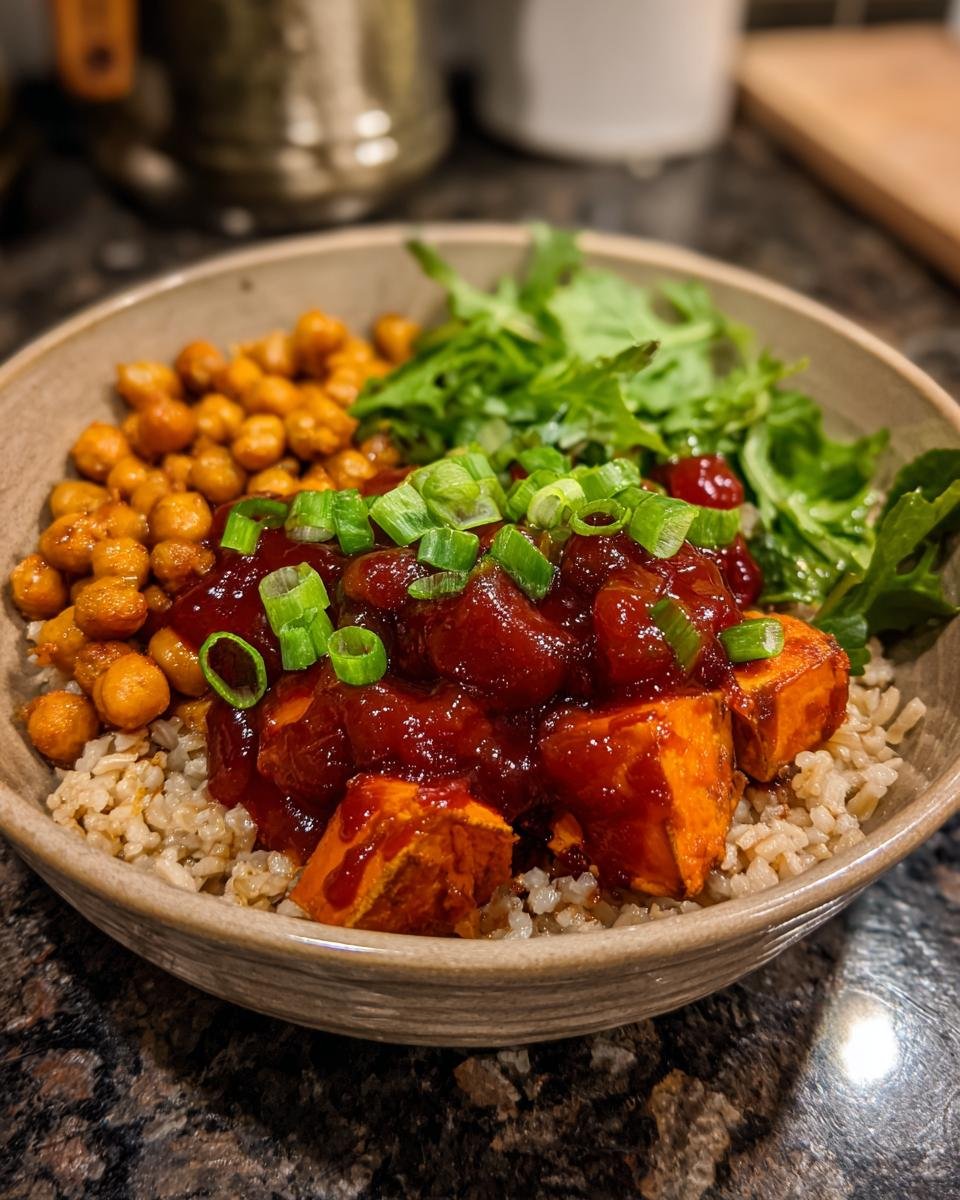
Assembling Your Gochujang Sweet Potato Chickpea Bowl
Time to build! Grab your two serving bowls. Start by laying down your base: a nice cup of warm brown rice in each, nestled next to a handful of your mixed greens. Then, spoon that piping hot, sticky, saucy sweet potato and chickpea mixture right on top!
Finish it off! Sprinkle the freshly sliced green onion all over the top. That’s it. Seriously, dinner is served in under 35 minutes. Enjoy the sweet heat!
Ingredient Notes and Substitutions for Your Gochujang Sweet Potato Chickpea Bowl
I get so many questions about tweaking recipes, and this one is super flexible, which I love! If you’re planning ahead, you can absolutely swap out the rice—I sometimes use quinoa or even farro when I’m feeling fancy. You can find some of my other favorite ways to use the star vegetable here: sweet potato recipes.
Also, if you’re like me and love a little crunch, definitely toast up a sprinkle of sesame seeds in a dry pan for about two minutes before you serve. It adds an amazing nutty dimension! But my biggest piece of advice, my **Authoritative Tip (A)**, concerns the heat:
Don’t be afraid to adjust that gochujang! If you usually find things too spicy, start with just half a tablespoon. You can always add more sauce later if you need a kick, but you can’t really take it out once it’s baked on there.
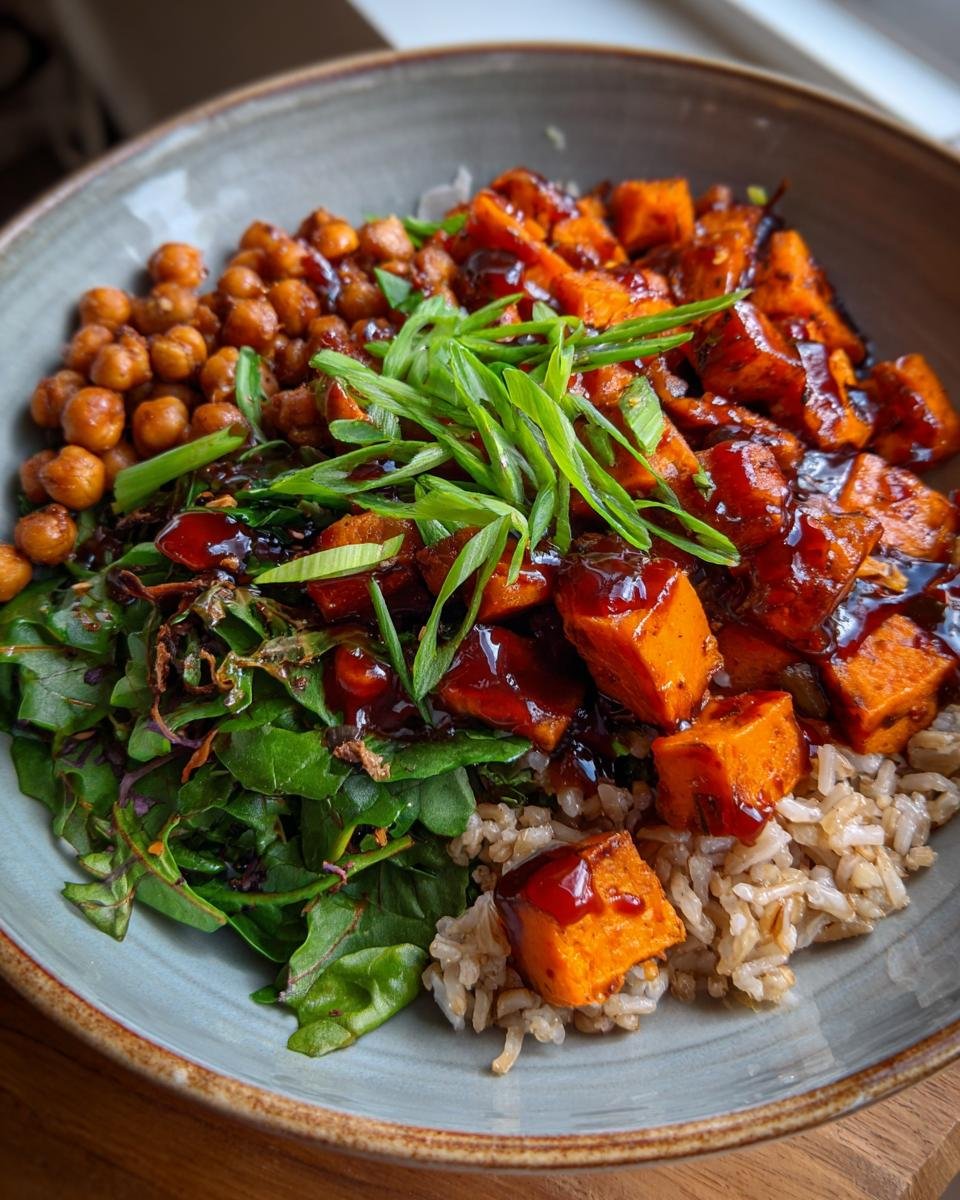
Tips for the Perfect Gochujang Sweet Potato Chickpea Bowl Texture
Texture is everything when you’re dealing with roasted vegetables and leggings, right? If you get this wrong, it’s mushy or dry, and nobody wants that! Achieving that perfect bite—where the potato is creamy and the chickpea has just a little resistance—comes down to a few tiny execution details that I’ve learned over the years. I used to struggle with my potatoes steaming instead of roasting until I figured out the oven temperature rule.
These little tricks ensure that when you pull tray out for that final glaze, everything is perfectly primed for that caramelized finish. For reference on how temperature affects roasting, I wrote a whole piece on roasting potatoes you might find useful: parmesan roasted potatoes.
Here are the game-changers that make my Gochujang Sweet Potato Chickpea Bowl reliably perfect:
- Don’t Crowd the Pan—Seriously! If you pile everything on top of each other, the moisture gets trapped, and you end up boiling your ingredients instead of roasting them. If you have to cook in two batches to keep everything in a single layer, do it! A little extra time is way better than a soggy bowl.
- Full Preheat is Non-Negotiable. Don’t trust the ding on your oven! Make sure that thermometer inside actually hits 400°F (200°C) before those veggies even think about going in. If the oven isn’t hot enough from the start, the outside won’t sear, and you’ll lose that slight crispness on the chickpeas.
- Pat the Chickpeas Bone Dry. I mentioned this earlier, but I’ll say it again because it’s vital: wet chickpeas steam. Use a clean kitchen towel or paper towels to blot away every bit of surface moisture after rinsing. This tiny effort makes a huge difference in the final texture!
Storing and Reheating Your Gochujang Sweet Potato Chickpea Bowl Leftovers
You know the drill—sometimes you cook just a little too much of something amazing, and suddenly you’re looking at leftovers. The good news is this Gochujang Sweet Potato Chickpea Bowl holds up incredibly well! Since it’s already packed with those hardy sweet potatoes and chickpeas, it doesn’t get watery like a delicate green salad might.
When storing, you absolutely need an airtight container. If you have leftovers mixed together—rice, greens, and the saucy mix—it’s fine, but ideally, I like to keep the sauced potatoes and chickpeas separate from the base ingredients (rice and greens). That way, the rice doesn’t get heavy and the greens stay crisp.
You can comfortably keep this in the fridge for about three to four days. It’s fantastic for those busy mid-week lunches. Now, here’s the critical part: reheating. If you just toss that bowl in the microwave, that beautiful gochujang glaze can get weirdly gummy, and the chickpeas lose any texture they had.
- The Best Way: Oven or Air Fryer. If you have 10 extra minutes, spread the sweet potato and chickpea mixture on a small baking sheet and heat it at 350°F (175°C) until everything is piping hot throughout. This wakes up the glaze and keeps the chickpea exterior nice.
- The Quick Fix: Skillet. If you need it fast, use a non-stick skillet over medium heat. Toss the leftovers constantly until warmed through. This method works because the direct heat helps dry out any excess moisture the sauce absorbed in the fridge.
- The Last Resort: Microwave. If you absolutely must microwave, do it in 30-second bursts, stirring well between bursts. For best results, put the greens and rice in fresh once the hot components are warmed up!
Whatever you do, don’t throw out those leftovers. This bowl tastes even better the next day once those sweet and spicy notes have had time to really marry!
Serving Suggestions for a Complete Gochujang Sweet Potato Chickpea Bowl Meal
Listen, while this Gochujang Sweet Potato Chickpea Bowl is totally complete on its own—it has veggies, grains, and protein all in one happy place—sometimes you just want to dress up dinner a little bit, right? I love adding components that give you that contrasting coolness or extra creaminess right before you dig in. It takes the dish from “great lunch” to “wow, you made dinner!”
The goal here, especially with that spicy kick from the gochujang, is to layer in something cooling. It just makes those spicy notes sing louder when they meet something creamy. If you’re looking for other ways to sneak in some healthy fats, you might want to peek at my recipe for avocado deviled eggs—it’s a totally different vibe, but amazing flavor pairing!
Here are the simple, game-changing additions I always keep on hand when I know I’m eating this bowl:
- Creamy Avocado Slices: This is my number one must-have topping. Cool, rich avocado slices melt beautifully into the warm rice and cool down the spice factor instantly. It adds healthy fat, too, which keeps you satisfied longer.
- A Dollop of Coolness: Don’t underestimate the power of a simple spoonful of plain, full-fat Greek yogurt or sour cream right on top. The tanginess cuts through the sweetness of the maple syrup in the glaze perfectly. If you are keeping it strictly dairy-free, a drizzle of tahini sauce works wonders too!
- Extra Crunch Factor: The recipe gets a little bit of texture from the chickpeas, but we can always do better! A sprinkle of dry-roasted peanuts or cashews, roughly chopped, adds the best snap. It’s purely for texture, but honestly, it makes eating it so much more fun.
- Pickled Goodness: If you happen to keep quick-pickled red onions or even just some kimchi in the fridge, a tiny spoonful of either adds an amazing fermented zing that complements the savory depth of the gochujang so much. It really brightens up the earthiness of the sweet potato.
Seriously, grab one of those things and put it on top. It transforms the experience! You’ll be amazed at how a single extra ingredient can elevate a super simple recipe like this Gochujang Sweet Potato Chickpea Bowl.
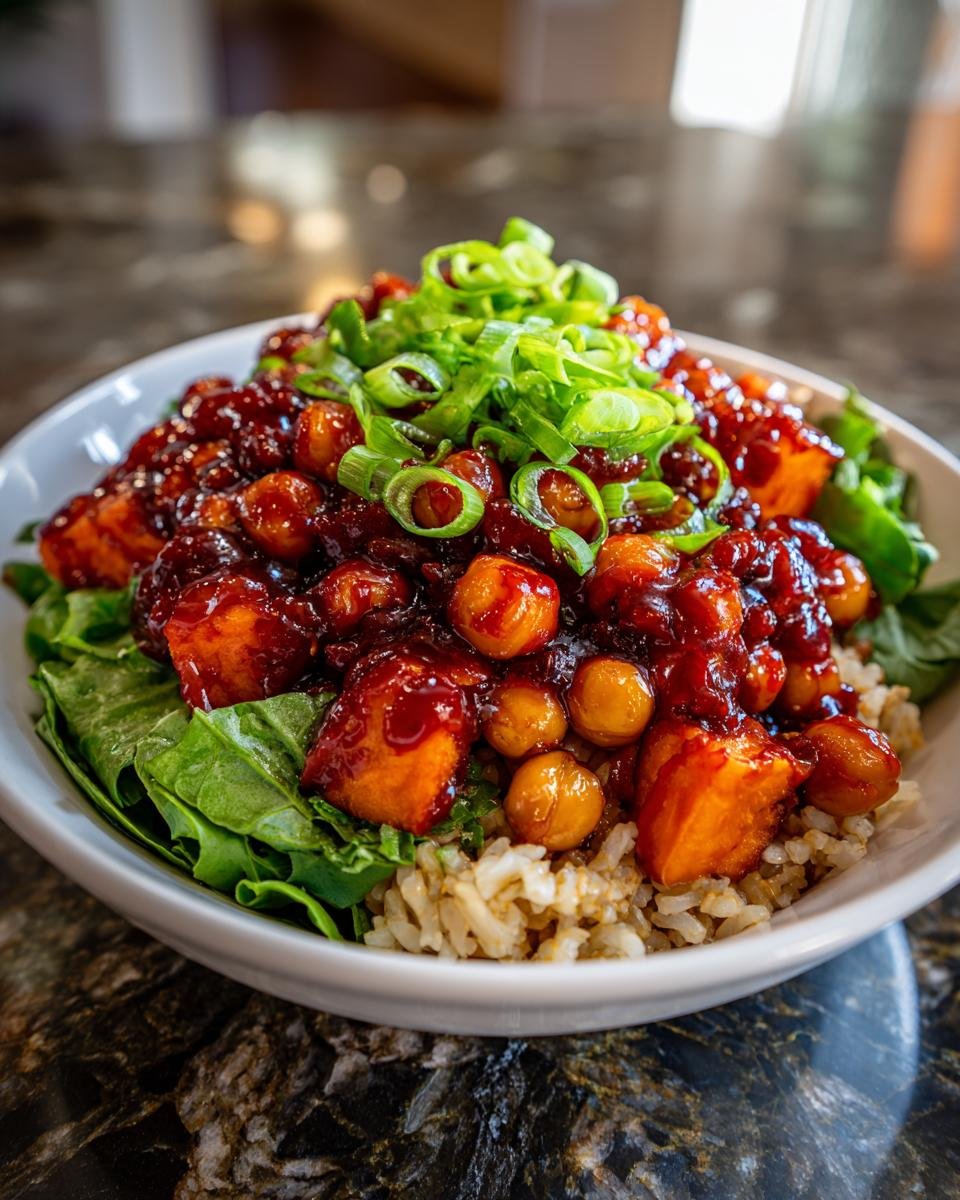
Frequently Asked Questions About This Gochujang Sweet Potato Chickpea Bowl
I always get questions after I post a quick recipe like this Gochujang Sweet Potato Chickpea Bowl! It’s totally normal; we all want to make sure we get it perfect the first time. I’ve gathered the ones I hear most often below. If you’re looking for more super simple meals for busy evenings, you can take a look at my collection of easy dinner recipes!
Can I make this Gochujang Sweet Potato Chickpea Bowl vegan?
Yes, you absolutely can! This recipe is already rocking the vegan boat, which is fantastic. We used maple syrup instead of honey for that sticky quality in the glaze, so we dodged one common sticking point right there. Just give your gochujang a quick glance to make sure there aren’t any weird additives, and ensure your soy sauce is standard. That’s it—it’s naturally plant-based perfection!
What is the best way to make the chickpeas crispy?
Oh, the never-ending quest for the crispy chickpea! It all comes down to water management before they see the heat. You have to rinse them well, but then you need to pat them down until they feel dry to the touch. I usually spread them out on a layer of paper towels or a clean kitchen towel and just blot them repeatedly. If they’re damp when they hit that hot oil, they’re going to steam, and all that lovely texture you want will be gone before it even starts!
Can I use a different grain instead of brown rice?
Go right ahead—this recipe is happy with all sorts of bases! When I want something lighter, I sneak in some quinoa instead of brown rice. Farro is another wonderful, nutty option if you’re looking for something chewier that really stands up well to the sauce. Just remember, whatever grain base you choose, make sure it’s cooked and ready to go before you start roasting, just how we talked about in the ingredients section!
Estimated Nutritional Snapshot for the Gochujang Sweet Potato Chickpea Bowl
I often get asked about the macros for this Gochujang Sweet Potato Chickpea Bowl—and while I’m a cook, not a nutritionist, I’m happy to share the average estimates based on the ingredient amounts listed above. Remember, these numbers are just a snapshot! If you overload the rice or use extra oil instead of drizzling, of course, those numbers will shift a bit.
These figures are based on dividing all ingredients across the two servings listed in the recipe. It’s great to know exactly what you’re getting when you stir in that spicy sauce, especially if you’re counting protein or monitoring sugar intake. For a deep dive into how natural sugars work in meals like this, you should take a peek at my thoughts on the surprising sugar content of fruits—it often surprises people!
Based on the core recipe (with 1 cup cooked brown rice and the standard sauce ratio), here is what you can generally expect per bowl:
- Calories: Approximately 450 calories
- Protein: Around 18 grams, which is fantastic for a veggie-forward bowl!
- Fat: Roughly 12 grams total. Most of this is the healthy unsaturated fat from the olive oil and sesame oil.
- Fiber: About 15 grams—that’s a huge win, thanks to all those sweet potatoes and chickpeas keeping you full!
- Carbohydrates: Roughly 75 grams, mostly coming from the rice and sweet potato.
- Sodium: Around 450 mg; this is mostly controlled by the amount of soy sauce you use, so adjust accordingly if you are sensitive to sodium!
See? A powerhouse meal that tastes like a treat. It’s proof that you don’t need heavy creams or tons of cheese to get that satisfying, filling bowl experience!
Print
Gochujang Sweet Potato Chickpea Bowl
- Total Time: 35 min
- Yield: 2 servings 1x
- Diet: Vegetarian
Description
A simple bowl featuring roasted sweet potatoes and chickpeas coated in a spicy-sweet gochujang sauce.
Ingredients
- 1 large sweet potato, cubed
- 1 (15-ounce) can chickpeas, rinsed and drained
- 2 tablespoons olive oil
- 1 tablespoon gochujang
- 1 tablespoon maple syrup
- 1 teaspoon soy sauce
- 1/2 teaspoon sesame oil
- 1 cup cooked brown rice
- 2 cups mixed greens
- 1 green onion, sliced
Instructions
- Preheat your oven to 400°F (200°C).
- Toss the sweet potato cubes and chickpeas with olive oil on a baking sheet.
- Roast for 20 minutes, stirring halfway through, until the sweet potatoes are tender.
- While roasting, whisk together gochujang, maple syrup, soy sauce, and sesame oil in a small bowl to make the sauce.
- Remove the sweet potatoes and chickpeas from the oven. Drizzle the sauce over them and toss gently to coat. Return to the oven for 5 more minutes.
- Assemble the bowls: Place brown rice and mixed greens in each bowl.
- Top with the sauced sweet potatoes and chickpeas.
- Garnish with sliced green onion before serving.
Notes
- For extra flavor, toast sesame seeds and sprinkle them over the finished bowl.
- You can substitute quinoa for brown rice.
- Adjust the amount of gochujang based on your spice preference.
- Prep Time: 10 min
- Cook Time: 25 min
- Category: Lunch
- Method: Roasting
- Cuisine: Fusion
Nutrition
- Serving Size: 1 bowl
- Calories: 450
- Sugar: 18
- Sodium: 450
- Fat: 12
- Saturated Fat: 1.5
- Unsaturated Fat: 10.5
- Trans Fat: 0
- Carbohydrates: 75
- Fiber: 15
- Protein: 18
- Cholesterol: 0
Keywords: gochujang, sweet potato, chickpea, bowl, vegetarian, spicy, maple syrup, brown rice